Cable Decline Crunch: Form, Benefits, Sets, Tips & FAQ
Learn the Cable Decline Crunch for stronger abs with proper setup, cable control, decline bench form, sets by goal, common mistakes, FAQs, and gear.
Cable Decline Crunch
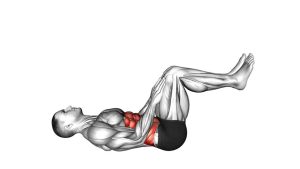
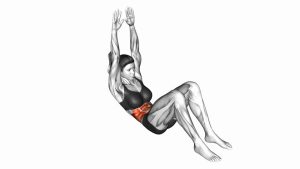
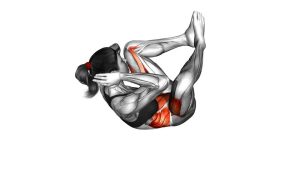
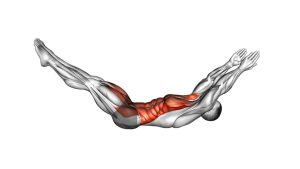
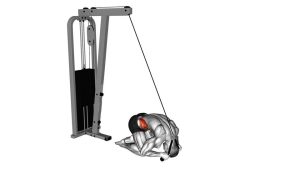
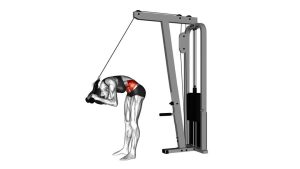
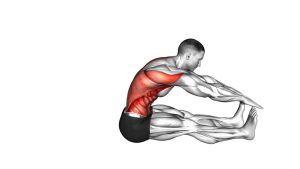
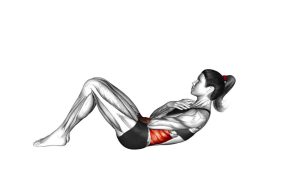
This movement is useful when you want a stronger, more loaded version of a traditional crunch. Because the decline angle and cable resistance both increase the challenge, every rep should stay slow, compact, and controlled. In addition, the hips should remain fixed while the spine flexes forward. If the arms pull hard or the body turns the movement into a sit-up, the abs lose tension.
Quick Overview
| Body Part | Abs |
|---|---|
| Primary Muscle | Rectus abdominis |
| Secondary Muscle | Obliques, deep core stabilizers, hip flexors as light stabilizers |
| Equipment | Cable machine, rope attachment or handle, decline bench |
| Difficulty | Intermediate because it requires cable control, bench stability, and strict spinal flexion |
Sets & Reps (By Goal)
- Core strength: 3–5 sets × 6–10 reps with a controlled 2–3 second lowering phase.
- Muscle growth: 3–4 sets × 10–15 reps using moderate cable resistance and a strong squeeze.
- Ab endurance: 2–4 sets × 15–20 reps with lighter weight and clean breathing.
- Technique practice: 2–3 sets × 8–12 reps with a light load before progressing.
Progression rule: Add reps first, then increase cable weight gradually. However, never increase the load if your elbows start pulling, your hips lift, or your lower back loses control.
Setup / Starting Position
- Set the decline bench: Place the bench near a cable station so the cable line stays controlled throughout the crunch.
- Secure your feet: Lock your feet under the bench pads so your lower body stays stable.
- Grab the attachment: Hold a rope or handle near your head, temples, or upper chest without yanking it downward.
- Brace lightly: Keep your ribs down, abs ready, and hips steady against the bench.
- Start slightly extended: Allow the torso to open enough to stretch the abs, but do not overarch the lower back.
Setup matters because the cable should load the abs through the crunch, not pull your shoulders out of position.
Execution (Step-by-Step)
- Begin with control: Keep the attachment close and let the abs prepare before the first rep.
- Curl the upper spine: Bring the ribs toward the pelvis by rounding the upper back forward.
- Keep the hips fixed: Do not sit up aggressively or drive the movement from the hip flexors.
- Squeeze at the bottom: Pause briefly when the abs are fully shortened and the cable is tight.
- Return slowly: Open the torso back to the start position while keeping tension on the cable.
- Repeat smoothly: Start the next rep only after your torso is controlled and your abs are still engaged.
Pro Tips & Common Mistakes
- Use your abs first: The cable attachment should stay close, but your arms should not create the movement.
- Avoid turning it into a sit-up: If your torso rises and falls from the hips, reduce the range and refocus on spinal flexion.
- Control the return: The eccentric phase is important, so avoid dropping backward quickly.
- Keep the neck neutral: A small chin tuck is fine, but do not pull the head forward with the hands.
- Do not overload too soon: Heavy cable weight can make the shoulders, arms, and hip flexors dominate.
- Breathe with the crunch: Exhale as you curl down, then inhale softly as you return.
- Pause at peak contraction: A short squeeze improves control and helps prevent momentum.
FAQ
What muscles does the Cable Decline Crunch work?
The main target is the rectus abdominis, especially because the movement involves loaded spinal flexion. The obliques and deep core muscles also help stabilize the torso during each rep.
Is the Cable Decline Crunch better than a regular crunch?
It can be more challenging because the cable adds adjustable resistance and the decline bench increases the range. However, it is only better when you control the movement and avoid pulling with the arms.
Should I go heavy on this exercise?
Use enough weight to challenge your abs, but not so much that your hips, shoulders, or arms take over. As a result, moderate resistance with clean form is usually more effective than maximum weight.
Where should I feel the exercise?
You should feel strong tension through the front of your abs. If you mainly feel your neck, lower back, or hip flexors, reduce the load and make the crunch smaller and slower.
Can beginners do the Cable Decline Crunch?
Beginners can learn it with very light resistance, but a standard floor crunch or machine crunch may be easier first. Once basic spinal flexion control is solid, this version becomes a useful progression.
Recommended Equipment
- Cable Rope Attachment — useful for keeping the hands close to the head during cable crunches.
- Adjustable Decline Bench — allows decline-position ab work and other strength exercises.
- Cable Machine / Functional Trainer — provides adjustable resistance for loaded core training.
- Bench Foot Support Pads — helps secure the feet and improve comfort on decline bench exercises.
- Exercise Mat — useful for warm-up crunches, mobility drills, and core accessory work.
Tip: For best results, choose equipment that lets you keep the cable path smooth and the body stable. Better control usually creates better abdominal tension.