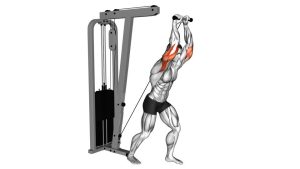
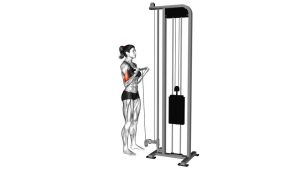
Cable Triceps Pushdown on Floor: Form, Sets, Muscles Worked & FAQ
Learn the Cable Triceps Pushdown on Floor with proper form, setup, execution tips, sets by goal, common mistakes, FAQs, and recommended equipment for stronger, more defined triceps.
Cable Triceps Pushdown on Floor
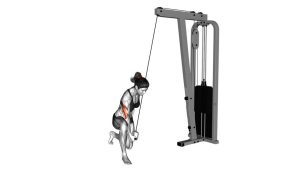
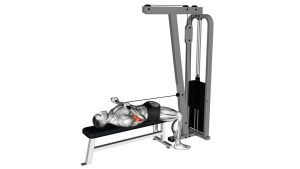
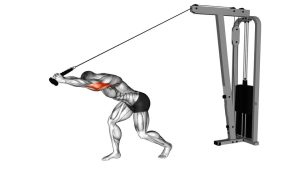
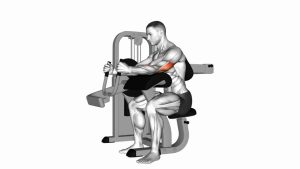
This variation is useful for lifters who want a more controlled pushdown pattern with less torso movement. The floor setup can make it easier to stay locked in, control the eccentric, and feel the triceps working through the full rep. It works well in hypertrophy blocks, arm days, and upper-body accessory sessions.
Quick Overview
| Body Part | Triceps |
|---|---|
| Primary Muscle | Triceps brachii |
| Secondary Muscle | Forearm stabilizers, anterior deltoids (minimal stabilization) |
| Equipment | Cable machine with rope, straight bar, or V-bar attachment; optional floor mat or kneeling pad |
| Difficulty | Beginner to Intermediate |
Sets & Reps (By Goal)
- Muscle growth: 3–4 sets × 8–15 reps, 45–75 seconds rest
- Strength-focused accessory work: 3–5 sets × 6–10 reps, 60–90 seconds rest
- Technique and control: 2–3 sets × 10–15 reps, slow eccentric, 45–60 seconds rest
- High-volume arm finisher: 2–3 sets × 15–20 reps, short rest, moderate load
Progression rule: Add reps first while keeping strict elbow position and smooth tempo. Increase load only when you can fully extend without shoulder swing or losing cable tension.
Setup / Starting Position
- Set the cable: Attach a rope, straight bar, or V-bar to the pulley and position yourself low enough on the floor so the cable line matches a natural pushdown path.
- Get stable: Sit or kneel on the floor with a tall torso, braced core, and neutral spine. Use a mat or pad if needed for comfort.
- Grip the handle firmly: Hold the attachment with wrists neutral and elbows tucked close to your sides.
- Start with bent elbows: Bring the handle to the top position under control, keeping tension on the cable and avoiding a loose, slack start.
- Lock in the upper arms: Your upper arms should stay mostly fixed throughout the rep while only the forearms move.
Tip: A slightly forward torso lean is fine, but keep the chest proud and avoid collapsing inward as fatigue builds.
Execution (Step-by-Step)
- Brace and set tension: Engage your core, keep the shoulders down, and begin with the elbows bent and pinned.
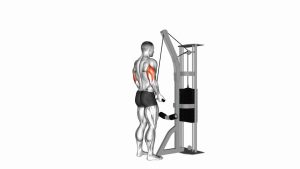
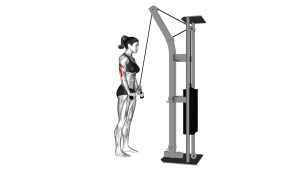
- Push the handle down: Extend the elbows smoothly until your arms are nearly straight. Focus on squeezing the triceps rather than jerking the weight.
- Pause briefly at the bottom: Hold the contraction for a moment without hyperextending the elbows.
- Control the return: Let the handle come back slowly as the elbows bend, resisting the pull of the cable.
- Repeat with the same path: Keep every rep clean, with the upper arms quiet and the forearms doing the work.
Pro Tips & Common Mistakes
- Pin the elbows: The less your upper arms move, the more isolated the triceps become.
- Use a full but controlled range: Get a solid squeeze at the bottom and a smooth stretch at the top without turning it into a shoulder movement.
- Don’t go too heavy: Excess load often causes torso rocking and elbow drift.
- Keep wrists neutral: Avoid bending the wrists back or trying to “curl” the attachment.
- Control the eccentric: The return phase is where a lot of the growth stimulus comes from, so don’t let the cable snap you back up.
- Choose the right attachment: Rope for freer wrist motion, straight bar for a more fixed path, and V-bar for a neutral-grip feel.
FAQ
What muscles does the Cable Triceps Pushdown on Floor work?
It primarily targets the triceps brachii. The forearms help stabilize the grip, while the shoulders and core provide support to keep the movement strict.
Is this better than a standard standing triceps pushdown?
Not necessarily better for everyone, but the floor version can make it easier to reduce momentum and stay locked into a strict pushdown path. It’s a useful variation for isolation and control.
Should I use a rope or a bar attachment?
Both work well. A rope usually allows a more natural finish and easier triceps squeeze, while a straight bar or V-bar can feel more stable and fixed.
How low should I sit or kneel on the floor?
Low enough that the cable line lets you perform a smooth pushdown without shrugging or excessively reaching forward. Your setup should let you keep the elbows tucked and the chest up.
Can beginners use this exercise?
Yes. It can be very beginner-friendly because the floor position encourages control. Start light, learn the elbow path, and prioritize smooth reps over heavy loading.
Recommended Equipment
- Tricep Rope Attachment — ideal for pushdowns, lets you finish with a natural split at the bottom
- Straight Bar Cable Attachment — good for a fixed pushdown path and consistent hand position
- Triceps V-Bar Attachment — useful if you prefer a neutral grip and a compact handle shape
- Resistance Bands with Door Anchor — a practical home-gym alternative for triceps pushdown-style training
- Kneeling Pad / Exercise Mat — adds comfort and support for floor-based cable work
Choose the attachment that lets you keep the elbows tucked, wrists comfortable, and tension consistent throughout the full rep.