Dumbbell Wood Chop Squat: Form, Muscles Worked, Sets, Tips & FAQ
Learn the Dumbbell Wood Chop Squat with proper form, muscles worked, sets by goal, mistakes to avoid, FAQs, and useful equipment tips.
Dumbbell Wood Chop Squat
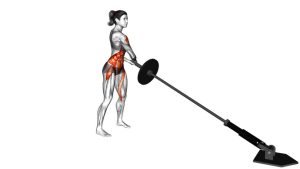
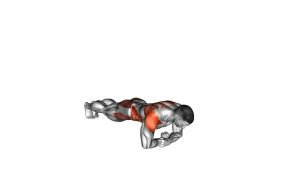
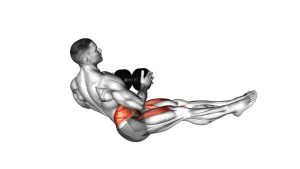
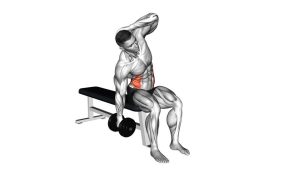
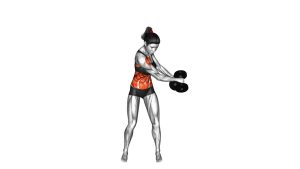
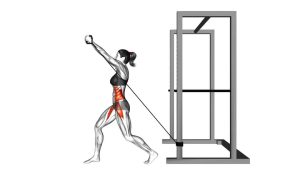
This exercise works best when the squat and chop happen as one smooth movement. First, the dumbbell travels diagonally downward as the knees bend and the hips lower. Then, the legs extend while the torso rotates back and the dumbbell returns overhead. Because the movement uses rotation, control matters more than speed. Therefore, choose a light-to-moderate dumbbell that lets you keep your balance and guide the weight cleanly.
Quick Overview
| Body Part | Core |
|---|---|
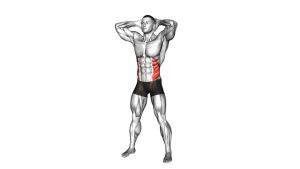
| Primary Muscle | Obliques, rectus abdominis, transverse abdominis |
| Secondary Muscle | Quadriceps, glutes, hamstrings, shoulders, upper back |
| Equipment | One dumbbell |
| Difficulty | Intermediate because it combines squatting, rotation, balance, and overhead control |
Sets & Reps (By Goal)
- Technique practice: 2–3 sets × 6–8 reps per side using a light dumbbell
- Core control: 3 sets × 8–10 reps per side with a slow diagonal path
- Full-body conditioning: 3–4 sets × 10–12 reps per side with steady rhythm
- Strength endurance: 3–5 sets × 8–12 reps per side with moderate load and clean form
Progression rule: Add reps first, then add weight. However, do not increase the dumbbell load if the chop becomes jerky, the squat becomes shallow, or the torso rotation feels uncontrolled.
Setup / Starting Position
- Stand tall: Place your feet about shoulder-width apart with your toes slightly turned out if needed.
- Hold one dumbbell: Grip the dumbbell with both hands so you can control it safely through the full arc.
- Start overhead: Bring the dumbbell above one shoulder, keeping the arms extended but not locked harshly.
- Brace your core: Keep your ribs down, chest controlled, and spine long before the first rep.
- Set your eyes forward: Stay balanced before starting the diagonal chop.
Tip: Start with a lighter dumbbell than you would use for a normal squat. Since the weight moves diagonally and overhead, control is more important than heavy loading.
Execution (Step-by-Step)
- Begin from the high position: Hold the dumbbell overhead and slightly to one side.
- Start the diagonal chop: Move the dumbbell down across your body toward the opposite knee or lower leg.
- Squat as the dumbbell lowers: Bend your knees and hips while keeping your feet planted.
- Rotate with control: Let your torso turn naturally, but avoid forcing the twist from the lower back.
- Reach the bottom position: Finish with the dumbbell near the outside of the opposite lower leg while staying balanced.
- Drive upward: Push through your feet and extend your legs as the dumbbell travels back up diagonally.
- Return overhead: Finish tall with the dumbbell back above the starting-side shoulder.
- Repeat smoothly: Complete all reps on one side, then switch to the opposite diagonal pattern.
Pro Tips & Common Mistakes
- Move as one unit: Coordinate the squat and chop instead of doing them as two separate movements.
- Control the bottom position: Do not let the dumbbell drop quickly toward the floor.
- Avoid over-rotating: Rotate through the torso with control, but keep the movement smooth and safe.
- Keep your feet grounded: Do not let the heels lift unless your variation specifically allows pivoting.
- Use the legs: Let the squat contribute to the movement instead of relying only on the arms.
- Brace before each rep: A stable core helps protect the spine during the diagonal chop.
- Do not rush the return: The upward phase should be powerful but still controlled.
- Choose the right weight: If your shoulders shrug or your back rounds, the dumbbell is likely too heavy.
FAQ
What muscles does the Dumbbell Wood Chop Squat work?
The exercise mainly targets the obliques and deep core muscles. In addition, the squat portion trains the quads, glutes, and hamstrings, while the dumbbell path also involves the shoulders and upper back.
Is the Dumbbell Wood Chop Squat good for abs?
Yes. It trains the abs through rotation, bracing, and diagonal force control. However, it is not only an ab exercise because the legs and shoulders also work during every repetition.
Should I use a heavy dumbbell?
No, not at first. Because the weight travels overhead and across the body, a light-to-moderate dumbbell is safer and more effective for learning the pattern. After your reps stay smooth, you can progress gradually.
How low should I squat during the movement?
Squat only as low as you can while keeping balance, control, and a stable spine. In the video, the movement shows a controlled squat with the dumbbell moving near the opposite knee or lower-leg area.
Can beginners do this exercise?
Beginners can practice the movement with a very light dumbbell or no weight first. However, because it combines rotation and squatting, it is usually better for people who already understand basic squat form.
Recommended Equipment
- Adjustable Dumbbell Set — allows easy weight changes as your control and strength improve
- Hex Dumbbell Set — stable, durable dumbbells for wood chops, squats, presses, and rows
- Exercise Mat — provides better grip and comfort during home workouts
- Workout Gloves — helps improve grip when holding one dumbbell with both hands
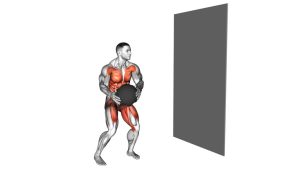
- Medicine Ball — useful for similar rotational core drills and wood chop variations
Tip: For this movement, the best equipment choice is the one you can control smoothly through the full diagonal path. Therefore, prioritize grip, balance, and technique before heavier resistance.