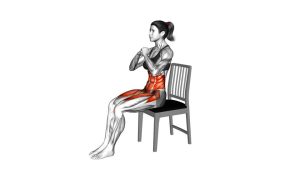
Lean Back Air Cycling on a Chair: Core Form, Benefits, Sets & Tips
Learn Lean Back Air Cycling on a Chair to train abs, hip flexors, and seated core control with safe form, sets, tips, FAQs, and equipment.
Lean Back Air Cycling on a Chair
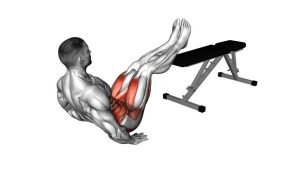
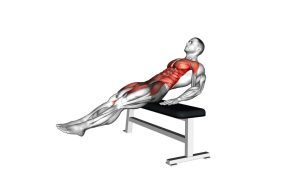
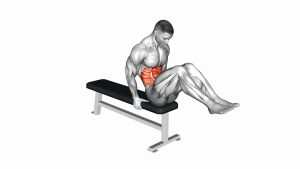
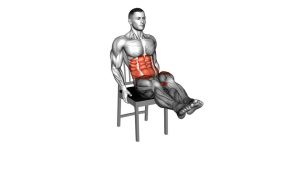
This exercise works best when the movement stays smooth, controlled, and balanced. First, the torso should remain leaned back without collapsing through the lower back. Then, each leg should alternate in a steady cycling motion while the core keeps the body stable. Although the hands provide support, they should not do all the work.
Additionally, the exercise can be adjusted for different ability levels. Beginners may keep the torso more upright and use a smaller leg range. Meanwhile, stronger trainees can lean back slightly farther, extend the legs longer, and slow the tempo to increase abdominal tension.
Quick Overview
| Body Part | Core |
|---|---|
| Primary Muscle | Rectus abdominis |
| Secondary Muscle | Hip flexors, obliques, transverse abdominis, quadriceps |
| Equipment | Stable chair; optional non-slip exercise mat under the chair |
| Difficulty | Beginner to intermediate |
Sets & Reps (By Goal)
- Beginner control: 2–3 sets × 10–16 total alternating cycles, using a small range and slow tempo.
- Core endurance: 3–4 sets × 20–40 seconds, keeping the feet lifted and the torso steady.
- Abs and hip flexor strength: 3–4 sets × 12–20 total reps, with longer leg extensions and clean posture.
- Low-impact conditioning: 4–6 rounds × 30 seconds, resting 30–45 seconds between rounds.
- Chair workout finisher: 2–3 rounds × 40–60 seconds, using steady breathing and a controlled rhythm.
Progression rule: Increase time under tension before increasing speed. After that, make the exercise harder by leaning back slightly farther or extending each leg more fully.
Setup / Starting Position
- Choose a stable chair: Use a strong chair without wheels. Place it on a flat, non-slip surface before starting.
- Sit near the front edge: Position your hips close enough to the edge so your legs can move freely.
- Place your hands for support: Hold the sides or back edge of the chair while keeping your shoulders relaxed.
- Lean back with control: Angle your torso backward while keeping your chest open and your spine long.
- Lift both feet: Bring your knees up and keep your feet off the floor before starting the cycling pattern.
- Brace your core: Gently tighten your abs as if preparing for a light push into your stomach.
Tip: If your lower back rounds right away, sit taller and reduce the lean angle. Better posture usually creates safer and stronger reps.
Execution (Step-by-Step)
- Start in the lean-back hold: Keep your torso angled back, hands supported, and both feet lifted.
- Extend one leg forward: Straighten one leg in front of you without aggressively locking the knee.
- Pull the opposite knee in: At the same time, bend the other knee toward your torso.
- Switch sides smoothly: Bring the extended leg back while the opposite leg reaches forward.
- Continue the air-cycling pattern: Move as if pedaling a bicycle while keeping the motion controlled.
- Maintain your torso angle: Avoid sitting upright during the hard part, and do not collapse backward.
- Breathe steadily: Exhale during each switch, then inhale lightly as the legs continue moving.
- Finish with control: Lower both feet to the floor before sitting fully upright.
Pro Tips & Common Mistakes
Pro Tips
- Use the chair for balance, not pulling: Your hands help you stay stable, but your abs should control the lean-back position.
- Keep the chest lifted: A proud chest helps reduce excessive lower-back rounding.
- Move at a steady pace: Smooth cycling trains control better than rushing through loose reps.
- Shorten the leg path when needed: Smaller reps are better than large reps with poor posture.
- Keep the hips quiet: Try to avoid bouncing, twisting, or tipping side to side.
- Use breathing as a tempo guide: Exhale during each switch so your core stays engaged.
Common Mistakes
- Leaning too far back: This can overload the lower back, especially if the abs cannot hold the position.
- Pedaling too fast: Speed often creates momentum, which reduces core tension and control.
- Dropping the feet: Letting the feet touch down between reps makes the exercise less continuous.
- Shrugging the shoulders: Keep the neck relaxed and avoid pushing the shoulders toward the ears.
- Rounding the spine: A collapsed posture usually shifts stress away from the abs and into the lower back.
- Holding the breath: Poor breathing can create unnecessary tension and make the movement feel harder.
FAQ
What muscles does Lean Back Air Cycling on a Chair work?
This exercise mainly works the rectus abdominis, which helps stabilize the torso in the lean-back position. Additionally, the hip flexors, obliques, transverse abdominis, and quadriceps assist during the alternating cycling motion.
Is Lean Back Air Cycling on a Chair good for beginners?
Yes, it can be beginner-friendly when performed with a smaller range of motion and a more upright torso angle. However, beginners should focus on posture first. Once control improves, they can lean back slightly more or increase the duration.
Should my back touch the chair during the exercise?
No, your back does not need to rest against the chair. Instead, your torso should stay leaned back with the spine long. If you cannot hold that position, reduce the lean angle and keep the cycling motion smaller.
Why do I feel this exercise in my hip flexors?
Feeling the hip flexors is normal because they lift and control the legs during the cycling pattern. Even so, your abs should also stay active. To improve core engagement, slow down, exhale during each switch, and avoid pulling hard with your arms.
How can I make Lean Back Air Cycling on a Chair harder?
You can make it harder by leaning back slightly farther, extending the legs longer, slowing the tempo, or increasing the set duration. Nevertheless, the movement should remain controlled. Do not increase difficulty if your lower back starts to round or hurt.
Is this the same as a seated bicycle crunch?
It is similar, but not always identical. A seated bicycle crunch usually includes torso rotation, while Lean Back Air Cycling on a Chair focuses more on the alternating leg-pedaling motion with a stable torso. Therefore, it is often easier to control and suitable for low-impact chair workouts.
Recommended Equipment
- Stable Workout Chair — useful for safer seated core exercises and chair-based workouts.
- Non-Slip Exercise Mat — helps reduce chair movement and improves floor grip during seated training.
- Adjustable Ankle Weights — optional progression for advanced users who already control the movement well.
- Fitness Interval Timer — makes timed sets, circuit rounds, and chair workout intervals easier to track.
- Chair Exercise Guide — helpful for building complete seated workout routines with safe progressions.
Tip: Start with only a stable chair. After your posture, breathing, and balance stay consistent, add optional tools gradually.