Lying Single-Leg Lift: Safe Form, Core Control, Sets, Tips & FAQ
Learn the Lying Single-Leg Lift to strengthen lower abs, hip flexors, and core control with safe form, sets, mistakes, FAQs, and equipment tips.
Lying Single-Leg Lift
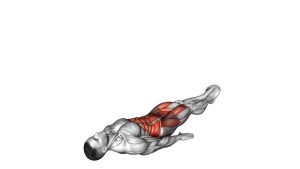
This exercise is useful for beginners because the bent support leg helps reduce stress on the lower back compared with lifting both legs at the same time. The working leg moves through a controlled range while the abdominal muscles prevent the pelvis from tipping forward. For best results, move slowly, keep the knee of the working leg straight, and avoid using momentum.
Quick Overview
| Body Part | Core |
|---|---|
| Primary Muscle | Lower abs, especially rectus abdominis stabilization |
| Secondary Muscle | Hip flexors, quadriceps, deep core stabilizers |
| Equipment | None; optional exercise mat |
| Difficulty | Beginner to intermediate depending on range and tempo |
Sets & Reps (By Goal)
- Beginner core control: 2–3 sets × 8–10 reps per side, slow tempo
- Lower-ab endurance: 3–4 sets × 10–15 reps per side, controlled breathing
- Hip flexor strength: 3 sets × 8–12 reps per side with a 1–2 second pause at the top
- Warm-up activation: 1–2 sets × 6–8 reps per side before core or lower-body training
Progression rule: First improve control, then increase reps. Progress only when you can lift and lower the leg without arching the lower back or swinging.
Setup / Starting Position
- Lie on your back: Place your body flat on the floor or on an exercise mat.
- Bend one knee: Keep one foot planted on the floor to help stabilize the pelvis.
- Extend the working leg: Straighten the opposite leg with the toes pointing upward or slightly forward.
- Place the arms down: Rest your arms beside your body with palms on the floor for light support.
- Brace the core: Gently tighten your abs before lifting the leg so your lower back stays stable.
Keep the head, shoulders, and upper back relaxed. The movement should come from the hip, not from pulling the torso upward.
Execution (Step-by-Step)
- Start with control: Keep the support foot planted and the working leg straight.
- Exhale and lift: Raise the straight leg slowly from the hip while keeping the knee locked but not forced.
- Stop before compensation: Lift only as high as you can while keeping the lower back from arching.
- Pause briefly: Hold the top position for 1 second while keeping the abs tight.
- Lower slowly: Bring the leg back down with control until it returns close to the floor.
- Repeat, then switch sides: Complete all reps on one leg or alternate legs depending on your training goal.
Pro Tips & Common Mistakes
- Move slowly: A controlled lift trains the abs and hip flexors better than a fast swing.
- Keep one foot planted: The bent support leg helps protect the lower back and improve pelvic control.
- Do not lift too high: Stop before the pelvis tilts or the lower back arches.
- Keep the working leg straight: Avoid bending the knee unless you need an easier regression.
- Brace before moving: Set the core first, then lift the leg.
- Control the lowering phase: Do not let the leg drop quickly toward the floor.
- Avoid neck tension: Keep the head and shoulders relaxed throughout the exercise.
FAQ
What muscles does the Lying Single-Leg Lift work?
It mainly works the lower abs as stabilizers and the hip flexors as the main lifting muscles. The quadriceps also help keep the working leg straight.
Is the Lying Single-Leg Lift good for beginners?
Yes. It is beginner-friendly because one knee stays bent and one foot stays planted, which makes it easier to control the pelvis and reduce lower-back stress.
Should my lower back stay flat during the exercise?
Your lower back should stay stable and controlled. A small natural curve is acceptable, but you should not let the back arch aggressively as the leg lifts or lowers.
How high should I lift my leg?
Lift only as high as you can without losing core control. For many people, a moderate range is better than a very high lift.
Why do I feel this exercise in my hip flexors?
Feeling the hip flexors is normal because they help raise the leg. However, your abs should also stay active to stabilize the pelvis and protect the lower back.
Recommended Equipment
- Exercise Mat — provides comfort and support for floor-based core exercises
- Thick Yoga Mat — helpful if your lower back or hips need extra cushioning
- Mini Resistance Bands — useful for future hip flexor, glute, and core progressions
- Adjustable Ankle Weights — optional progression after you master strict bodyweight control
- Foam Roller — useful for warm-ups, hip mobility, and recovery work
Tip: Do not add ankle weights until you can complete every rep without lower-back arching or momentum.