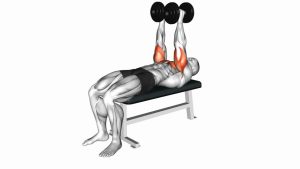
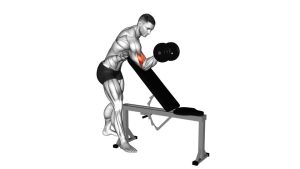
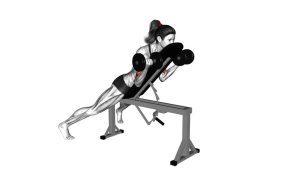
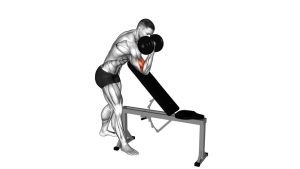
Dumbbell Incline Hammer Curl: Proper Form, Muscles Worked, Sets, Tips & FAQ
Learn how to do the Dumbbell Incline Hammer Curl with proper form. Discover muscles worked, setup, execution steps, sets and reps by goal, common mistakes, FAQs, and recommended equipment.
Dumbbell Incline Hammer Curl
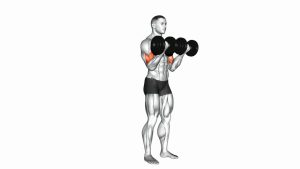
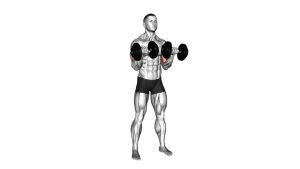
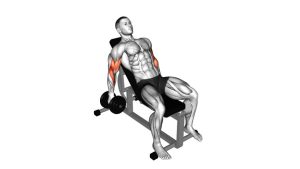
This exercise works best when you slow it down and let the elbows do the work. The incline bench helps lock your torso in place, which makes the curl feel stricter than a standing hammer curl. You should feel tension through the front of the upper arm and forearm, especially as you move from the deep stretch into the curling phase.
Quick Overview
| Body Part | Biceps |
|---|---|
| Primary Muscle | Brachialis |
| Secondary Muscle | Biceps brachii, brachioradialis, forearm flexors |
| Equipment | Dumbbells and an incline bench |
| Difficulty | Beginner to Intermediate |
Sets & Reps (By Goal)
- Muscle growth: 3–4 sets × 8–12 reps with controlled tempo and 60–90 sec rest
- Strength-focused arm work: 4–5 sets × 6–8 reps with heavier dumbbells and 90–120 sec rest
- Technique / isolation focus: 2–3 sets × 10–15 reps with lighter weight and strict form
- Finisher / pump work: 2–3 sets × 12–15 reps with short 30–45 sec rest
Progression rule: Add reps before increasing weight. Only move up when you can complete all reps without elbow drift, shoulder rocking, or swinging the dumbbells.
Setup / Starting Position
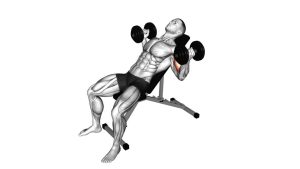
- Adjust the bench: Set an incline bench to roughly 45–60 degrees.
- Sit back fully: Press your upper back into the pad and keep your chest gently lifted.
- Plant your feet: Keep both feet flat on the floor for balance and stability.
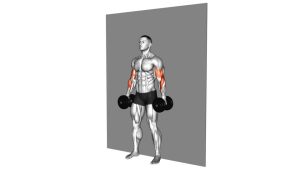
- Hold the dumbbells neutrally: Let the dumbbells hang at your sides with palms facing inward.
- Start from a deep stretch: Allow your arms to hang straight down with elbows extended and shoulders relaxed.
Tip: Keep the head neutral and the ribcage down so the bench supports the torso instead of letting you arch and cheat.
Execution (Step-by-Step)
- Brace and stay still: Keep your back against the bench and your elbows close to your sides.
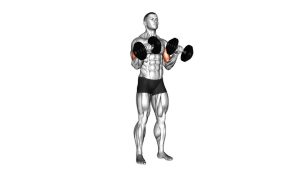
- Curl the dumbbells upward: Flex at the elbows and raise the weights in a controlled arc while keeping a neutral grip.
- Keep the elbows quiet: Avoid letting them swing forward as the dumbbells rise.
- Squeeze near the top: Stop when the dumbbells approach shoulder level and contract the upper arms without shrugging.
- Lower slowly: Reverse the movement under control until your arms are fully extended again.
- Repeat smoothly: Begin the next rep without bouncing or using momentum.
Pro Tips & Common Mistakes
- Use full control at the bottom: The stretched position is one of the biggest benefits of this variation.
- Keep the grip neutral: Don’t rotate the wrists into a supinated curl unless you intentionally want a different exercise.
- Don’t swing the torso: Let the bench do its job and keep your body fixed.
- Avoid elbow drift: A little natural movement is fine, but excessive forward travel reduces isolation.
- Lower slower than you lift: A controlled eccentric increases tension on the upper arms and forearms.
- Choose smart loading: Slightly lighter dumbbells often produce better curls here than standing variations.
FAQ
What muscles does the Dumbbell Incline Hammer Curl work?
It mainly targets the brachialis, while also training the biceps brachii and brachioradialis. The neutral grip helps shift more emphasis to the brachialis and forearms.
Why use an incline bench for hammer curls?
The incline bench places the arms slightly behind the torso, which increases the stretch at the bottom and makes it harder to use momentum. That usually makes the exercise feel stricter and more controlled.
Should I lift both dumbbells together or alternate arms?
Both methods can work, but lifting both dumbbells together is more common for this variation. Alternating reps can help you slow down and focus on each side individually if needed.
How heavy should I go?
Use a weight that lets you keep your back against the bench, your wrists neutral, and your elbows mostly fixed. If you have to swing or shorten the range badly, the dumbbells are too heavy.
Is this better than a standing hammer curl?
It is not automatically better, but it is often stricter. The incline version reduces cheating and increases stretch, while standing hammer curls may let you handle slightly more load.
Recommended Equipment
- Adjustable Dumbbells — versatile for progressive overload and easy home-gym arm training
- Adjustable Incline Weight Bench — lets you dial in the bench angle for incline curls and other upper-body exercises
- Lifting Straps — optional support if grip fatigue limits your higher-rep sets
- Workout Gloves — can improve comfort and grip on metal dumbbell handles
- Resistance Bands Set — useful for warm-ups, arm finishers, and extra elbow-friendly training volume
Tip: A stable bench and comfortable dumbbell handles matter more than fancy accessories for this exercise.