Cable Unilateral Biceps Curl: Form, Muscles Worked, Sets, Tips & FAQ
Learn how to perform the Cable Unilateral Biceps Curl with proper form for better biceps growth and arm control. Includes muscles worked, setup, execution, sets by goal, common mistakes, FAQ, and recommended equipment.
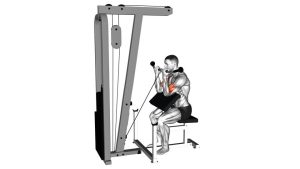
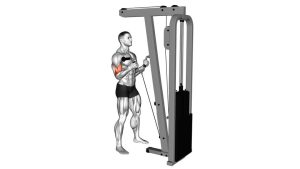
Cable Unilateral Biceps Curl
This exercise is excellent for building biceps size, improving left-to-right arm balance, and creating a better mind-muscle connection than many bilateral curl variations. Since you work one arm at a time, it becomes easier to control tempo, fix strength imbalances, and keep tension where it belongs: on the biceps rather than the shoulders or lower back.
Quick Overview
| Body Part | Biceps |
|---|---|
| Primary Muscle | Biceps brachii |
| Secondary Muscle | Brachialis, brachioradialis, forearm flexors |
| Equipment | Cable machine with single handle attachment |
| Difficulty | Beginner to Intermediate |
Sets & Reps (By Goal)
- Muscle growth: 3–4 sets × 8–15 reps per arm, 45–75 sec rest
- Strength-focused arm work: 3–5 sets × 6–10 reps per arm, 60–90 sec rest
- Mind-muscle connection / pump: 2–4 sets × 12–20 reps per arm, 30–60 sec rest
- Finisher at end of upper-body session: 2–3 sets × 10–15 reps per arm with strict form
Progression rule: Add reps first, then increase cable load slightly once you can maintain a full stretch, smooth tempo, and a clean top contraction without swinging.
Setup / Starting Position
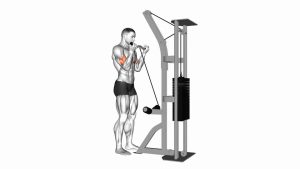
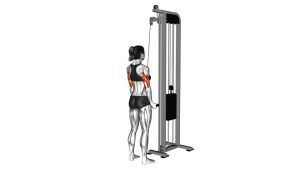
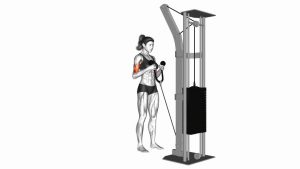
- Set the pulley: Position the cable at a low setting and attach a single D-handle.
- Grab the handle with one hand: Stand facing slightly away from the machine so the working arm starts just behind the torso.
- Use a stable stance: Keep feet about hip-width apart or use a small staggered stance for balance.
- Square the torso: Stand tall with chest up, ribs stacked, and shoulders relaxed.
- Start with a stretch: Let the elbow straighten almost fully without locking out hard, and keep the palm supinated or close to supinated.
Tip: A small step forward can help create a better starting stretch on the biceps while keeping cable tension consistent.
Execution (Step-by-Step)
- Brace and stay still: Tighten your midsection lightly and keep the torso quiet before starting the curl.
- Drive through the elbow: Curl the handle upward by bending the elbow, not by swinging the shoulder or leaning back.
- Keep the wrist neutral: Don’t let the wrist fold back or over-flex as the handle rises.
- Curl to full contraction: Bring the handle toward shoulder height while squeezing the biceps at the top.
- Lower under control: Slowly extend the arm back to the starting position and allow the biceps to lengthen under tension.
- Repeat evenly: Complete all reps on one side or alternate arms depending on your program.
Pro Tips & Common Mistakes
- Start from a real stretch: One of the biggest benefits of this exercise is tension from the lengthened position.
- Don’t turn it into a front raise: Too much shoulder flexion shifts the work away from the biceps.
- Control the lowering phase: The eccentric is where a lot of growth-friendly tension happens.
- Keep the elbow path natural: A slight forward drift is normal, but avoid excessive shoulder movement.
- Use one arm to fix imbalances: Match reps and form quality on both sides rather than rushing the stronger arm.
- Avoid momentum: Leaning back, shrugging, and torso rotation reduce isolation and make the curl less effective.
FAQ
What makes the cable unilateral biceps curl different from a dumbbell curl?
The cable keeps tension on the biceps through more of the range of motion, especially near the bottom. It also makes it easier to work one arm at a time and correct side-to-side imbalances.
Which part of the biceps does this exercise emphasize most?
Because the arm can begin slightly behind the body, this version often creates a strong stretch on the long head of the biceps, while still training the entire biceps brachii.
Should I keep my elbow pinned in one place?
Aim to keep the movement elbow-dominant, but a small amount of natural elbow travel is fine. The goal is to avoid turning the curl into a shoulder-driven lift.
Is this exercise good for beginners?
Yes. It is beginner-friendly as long as the load is manageable and the movement stays controlled. Start light and learn how to feel the biceps doing the work.
When should I place this in my workout?
It works well after compound pulling exercises like rows or pull-downs, or later in an arm workout when your goal is focused biceps hypertrophy.
Recommended Equipment
- Single D-Handle Cable Attachment — ideal for unilateral cable curls, better grip comfort, and smoother single-arm cable work
- Ergonomic Non-Slip Cable Handle — useful if you want a more secure, comfortable grip during higher-rep arm training
- Resistance Bands Set — great for warming up the elbows, adding arm finishers, or training biceps at home
- Elbow Sleeves for Weightlifting — can add warmth and support during curls if your elbows feel irritated during arm sessions
- Elbow Wraps — optional support tool for lifters who prefer extra joint compression during upper-body training
Tip: Equipment should improve comfort and consistency, not replace strict technique. Choose tools that help you keep tension on the biceps and maintain a smooth range of motion.