Decline Bent-Leg Reverse Crunch: Form, Sets, Tips & FAQ
Learn the Decline Bent-Leg Reverse Crunch for lower abs with safe form, sets by goal, setup cues, common mistakes, FAQs, and gear tips.
Decline Bent-Leg Reverse Crunch
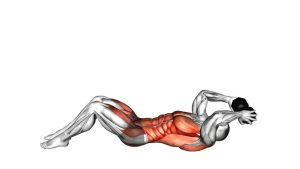
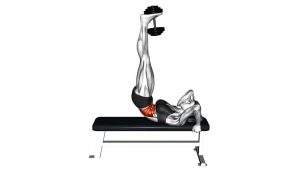
This movement is most effective when the hips create the crunch, not when the legs create momentum. Because the bench is declined, your abs must work harder to control both the lift and the lowering phase. Therefore, each repetition should feel compact, deliberate, and steady from start to finish.
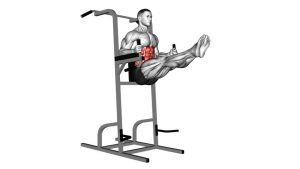
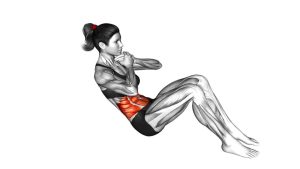
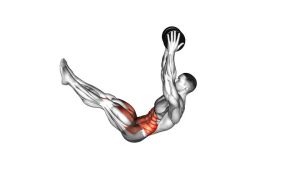
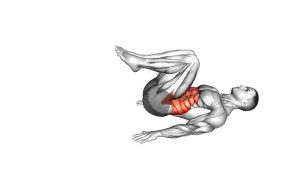
In the video, the exercise is performed with bent knees and a stable upper body. The hands hold the bench for support, while the hips curl upward at the top of each rep. As a result, the movement targets the abs more directly and reduces unnecessary swinging through the hip flexors.
Quick Overview
| Body Part | Abs |
|---|---|
| Primary Muscle | Rectus abdominis, especially the lower abdominal region |
| Secondary Muscle | Hip flexors, transverse abdominis, obliques, and deep core stabilizers |
| Equipment | Decline bench or adjustable sit-up bench |
| Difficulty | Intermediate because the decline angle increases resistance and control demands |
Sets & Reps (By Goal)
- Core control: 2–3 sets of 8–12 reps with a slow 2–3 second lowering phase.
- Muscle growth: 3–4 sets of 10–15 reps while keeping the hips curled at the top.
- Core endurance: 2–4 sets of 12–20 reps using a smaller range and steady breathing.
- Beginner progression: 2–3 sets of 6–10 reps on a low decline or flat bench first.
- Advanced control: 3–5 sets of 8–12 reps with a 1–2 second pause at peak contraction.
Progression rule: Increase reps first, then add a longer pause, and finally increase the decline angle. However, do not progress if your hips drop quickly or your legs swing upward.
Setup / Starting Position
- Set the bench angle: Choose a mild to moderate decline. A steeper angle makes the exercise harder, so begin conservatively.
- Lie back on the bench: Position your head toward the higher end of the bench and your hips toward the lower end.
- Grip for stability: Hold the bench handles, sides, or top support. This keeps your upper body steady while the pelvis moves.
- Bend your knees: Bring your knees to roughly a 90-degree angle and keep your feet off the bench.
- Brace your core: Pull your ribs slightly down, tighten your abs, and keep your lower back controlled against the bench.
- Start with control: Avoid kicking the legs. Instead, prepare to curl the pelvis upward as if you are rolling your tailbone off the bench.
A good starting position should feel stable in the upper body and active through the abs. Meanwhile, the hips should feel ready to curl, not swing.
Execution (Step-by-Step)
- Brace before moving: Take a controlled breath, tighten your core, and keep your grip firm on the bench.
- Begin the tuck: Draw your knees slightly toward your chest, but focus on curling your pelvis instead of pulling with your thighs.
- Lift the hips: Roll your tailbone and lower back off the bench in a short, compact motion.
- Squeeze at the top: Pause briefly when your hips are lifted and your abs are fully contracted.
- Lower slowly: Return your hips to the bench with control. Do not let your lower back slam down.
- Keep tension: Stop before your legs relax completely, then begin the next rep with the same controlled tuck.
Pro Tips & Common Mistakes
Pro Tips
- Think “hips up,” not “legs up”: This cue keeps the movement focused on the abs instead of the hip flexors.
- Use a small range: A short, clean pelvic curl is better than a large swinging rep.
- Control the descent: The lowering phase builds strength, so avoid dropping back down.
- Keep the knees bent: Bent legs reduce leverage and make the exercise easier to control.
- Pause at the top: A brief hold helps you feel the abs working before you lower.
- Adjust the bench angle: Lower the decline when form breaks, then increase it later.
Common Mistakes
- Swinging the legs: Momentum reduces abdominal tension and makes the exercise less effective.
- Arching the lower back: Losing core tension can place unnecessary stress on the lumbar spine.
- Using too steep of a decline: A hard angle can force poor form before your abs are ready.
- Pulling too hard with the arms: Your hands should stabilize your body, not yank your torso.
- Dropping the hips quickly: A fast descent removes control and may irritate the lower back.
- Turning it into a leg raise: The knees can move, but the pelvis should create the crunch.
FAQ
What muscles does the Decline Bent-Leg Reverse Crunch work?
It mainly works the rectus abdominis, especially the lower abdominal region. In addition, the hip flexors, transverse abdominis, and obliques assist with control and stabilization.
Is the Decline Bent-Leg Reverse Crunch good for lower abs?
Yes. It is a strong lower-ab-focused movement because the pelvis curls upward against gravity. However, you must lift the hips with control instead of swinging the legs toward your chest.
Should beginners do this exercise?
Beginners can do it if they use a low decline and controlled range. Nevertheless, a flat bent-leg reverse crunch is often the better first step before moving to the decline version.
Why do I feel this exercise in my hip flexors?
Some hip flexor involvement is normal because the legs are held in the air. However, if the hip flexors dominate, reduce the range, bend the knees more, and focus on curling the pelvis instead of kicking upward.
How can I make the Decline Bent-Leg Reverse Crunch harder?
You can increase the decline angle, pause longer at the top, slow the lowering phase, or perform more controlled reps. Even so, form should stay strict before adding difficulty.
How can I make it easier?
Lower the bench angle, reduce the range of motion, or perform the same movement on a flat bench. Additionally, keeping the knees more bent shortens the lever and makes the exercise easier.
Is this exercise safe for the lower back?
It can be safe when performed with a controlled posterior pelvic tuck and no swinging. However, if your lower back arches, drops hard onto the bench, or feels painful, stop and choose an easier variation.
Recommended Equipment
- Adjustable Decline Bench — useful for setting the correct decline angle and progressing gradually.
- Ab Bench with Leg Support — helps create a stable setup for decline core exercises.
- Non-Slip Exercise Mat — useful under the bench or for floor-based reverse crunch progressions.
- Adjustable Ankle Weights — optional advanced resistance after strict bodyweight form is mastered.
- Ab Straps — useful for hanging core progressions after building strong reverse crunch control.
Tip: Equipment should support better control, not replace proper technique. Therefore, choose tools that help you maintain a stable upper body, controlled hip lift, and smooth lowering phase.