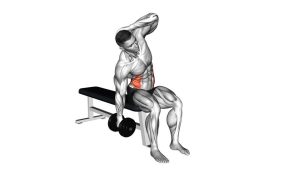
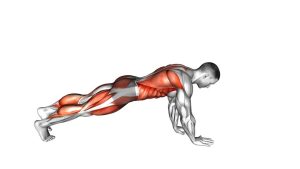
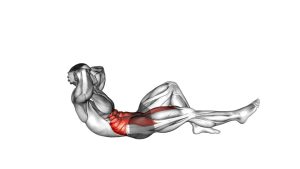
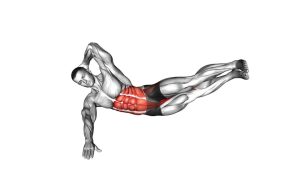
Seated Bench Reverse Crunch Circle: Abs Form, Sets, Tips & FAQ
Learn the Seated Bench Reverse Crunch Circle to train abs, hip control, and core stability with proper form, sets, tips, mistakes, FAQs, and gear.
Seated Bench Reverse Crunch Circle
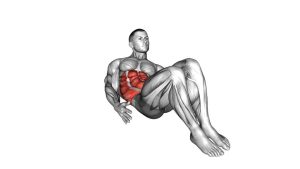
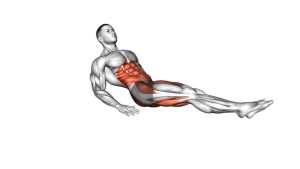
This exercise works best when the torso stays steady and the legs move with a slow, deliberate rhythm. Because the body is supported on a bench, you can focus on keeping the abs braced while the knees bend, lift, separate, and return to the starting position. As a result, the movement trains core compression, hip coordination, and lower-ab control in one continuous pattern.
However, the goal is not to swing the legs as fast as possible. Instead, each repetition should look smooth and balanced. Keep your chest lifted, avoid collapsing through the lower back, and use your hands only for support. If your hips rock aggressively or your back feels strained, reduce the range of motion and slow the circle down.
Quick Overview
| Body Part | Core |
|---|---|
| Primary Muscle | Rectus abdominis |
| Secondary Muscle | Hip flexors, obliques, deep core stabilizers |
| Equipment | Flat bench |
| Difficulty | Intermediate because the circular leg path requires balance, coordination, and core control |
Sets & Reps (By Goal)
- Core control: 2–3 sets × 6–10 slow reps per direction, resting 45–75 seconds between sets.
- Abs endurance: 3–4 sets × 10–15 reps, using a steady tempo and clean leg circles.
- Beginner progression: 2 sets × 5–8 small-range reps, keeping the knees slightly bent throughout.
- Advanced core challenge: 3–4 sets × 8–12 reps with slower lowering, longer legs, and minimal torso movement.
Progression rule: First improve control, then increase reps. After that, make the circle slightly larger or extend the legs farther without losing your bench position.
Setup / Starting Position
- Sit on the bench: Position yourself near the middle or front half of a flat bench so your legs can move freely.
- Place your hands beside your hips: Grip or press into the bench for balance, but avoid pulling your shoulders up toward your ears.
- Lean back slightly: Keep your chest open and your spine long while creating enough space for the legs to lift.
- Brace your abs: Gently tighten your midsection before the legs move so your lower back stays controlled.
- Extend your legs forward: Start with both legs hovering in front of you, knees soft, and feet together or close together.
Tip: If the full extended-leg start feels too difficult, bend your knees more. This shorter lever reduces strain and helps you learn the circular path safely.
Execution (Step-by-Step)
- Start with control: Sit tall, lean back slightly, and keep both legs extended forward while your hands stabilize your body on the bench.
- Begin the circle: Lift one leg slightly higher as the other leg lowers or stays extended, creating the start of a rounded path.
- Pull the knees in: Bend the knees and bring them toward your torso as your abs contract into the reverse-crunch phase.
- Reach the peak contraction: Pause briefly when the knees are closer to the chest and the core feels most compressed.
- Separate and extend: Move the legs back outward through the circular path instead of dropping them straight down.
- Return to the start: Finish with the legs extended forward again, then repeat the same smooth circle for the next rep.
- Control both directions: Perform all reps in one direction, then reverse the circle if your form stays stable.
Pro Tips & Common Mistakes
- Keep the movement circular: Avoid turning the exercise into a simple knee tuck. The legs should trace a smooth rounded path.
- Control the lowering phase: Do not let the legs drop quickly because that usually shifts tension into the lower back.
- Use your hands for balance only: Press into the bench lightly, but do not yank your torso forward with your arms.
- Avoid excessive leaning: Lean back enough to create room, yet keep your chest lifted and your spine controlled.
- Keep the abs braced: Exhale as the knees come in, then maintain tension as the legs circle back out.
- Do not rush the rhythm: Faster reps often reduce core tension and make the hips swing instead of working under control.
- Adjust your knee bend: More knee bend makes the exercise easier, while straighter legs make it harder.
- Watch for hip pinching: If the front of the hips feels compressed, reduce the circle size and keep the knees slightly softer.
FAQ
What muscles does the Seated Bench Reverse Crunch Circle work?
The main target is the rectus abdominis, especially during the knee-in reverse-crunch phase. Additionally, the hip flexors help lift and guide the legs, while the obliques and deep core muscles stabilize the torso during the circular motion.
Is this exercise good for lower abs?
Yes, it can strongly challenge the lower portion of the abdominal region because the pelvis and legs move toward the torso. However, the entire rectus abdominis works as one muscle, so think of it as a lower-ab-focused core variation rather than an isolation exercise.
Should I keep my legs straight the whole time?
Not necessarily. In the video-style movement, the legs extend forward and then bend during the reverse-crunch phase. If you are still learning, keep the knees more bent because that makes the exercise easier to control.
Why does my lower back feel this exercise?
Your lower back may feel stressed if the legs drop too low, the abs lose tension, or the torso rocks too much. Therefore, reduce your range of motion, bend your knees, and keep the circle smaller until your core can control the movement.
Can beginners do the Seated Bench Reverse Crunch Circle?
Beginners can try a modified version with bent knees and a smaller circle. However, because the movement requires coordination and trunk control, many beginners should first master seated knee tucks or basic bench reverse crunches.
How do I make this exercise harder?
You can make it harder by extending the legs farther, slowing the lowering phase, increasing the circle size, or reversing direction under control. Even so, only progress when your torso stays stable and your lower back remains comfortable.
Recommended Equipment
- Flat Workout Bench — the main tool for performing seated bench reverse crunch circles with stable support.
- Adjustable Weight Bench — useful if you want a versatile bench for abs, strength training, and incline variations.
- Exercise Mat — helpful for warm-ups, floor core drills, and safer transitions before or after bench work.
- Adjustable Ankle Weights — optional advanced resistance for users who already control the movement without swinging.
- Core Sliders — useful for complementary ab exercises that build hip control and anti-extension strength.
Tip: Start with a stable bench before adding resistance. If ankle weights make your hips swing or your back arch, remove them and rebuild clean control first.