Bench Lying 6-Inch Hold: Proper Form, Lower Ab Benefits, Sets & Tips
Learn the Bench Lying 6-Inch Hold to strengthen lower abs and core control with strict form, setup steps, hold times, tips, FAQs, and gear.
Bench Lying 6-Inch Hold
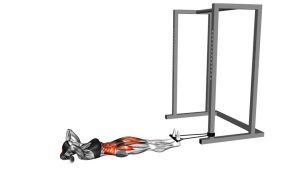
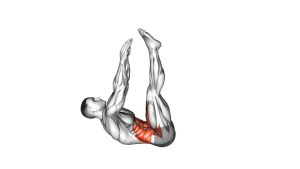
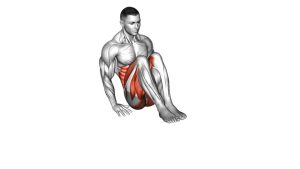
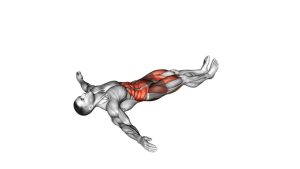
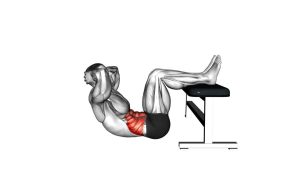
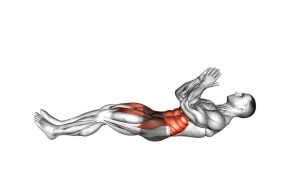
This movement is based on control, not speed. Because the body is supported by the bench, the main challenge comes from keeping the legs low while maintaining strong abdominal tension. Therefore, every hold should feel steady, braced, and deliberate.
In addition, the bench setup can make the exercise feel more intense than a floor version because the legs may hover freely near the end of the bench. However, the goal remains the same: keep the torso stable, avoid swinging, and stop before the lower back loses position.
Quick Overview
| Body Part | Core |
|---|---|
| Primary Muscle | Lower abdominals / rectus abdominis |
| Secondary Muscle | Hip flexors, transverse abdominis, deep core stabilizers |
| Equipment | Flat bench. Optional: exercise mat, timer, light ankle weights for advanced progression |
| Difficulty | Beginner to intermediate, depending on leg height and hold duration |
Sets & Reps (By Goal)
- Beginner core control: 2–3 sets × 10–15 second holds, resting 45–60 seconds.
- Lower-ab endurance: 3–4 sets × 20–30 second holds, resting 60–75 seconds.
- Advanced core conditioning: 4–5 sets × 30–45 second holds, resting 60–90 seconds.
- Workout finisher: 2–3 rounds × max clean hold, stopping before form breaks.
Progression rule: First increase hold time. Next, lower the legs slightly closer to bench height. Finally, add light ankle weights only when your core can keep the bench position stable.
Setup / Starting Position
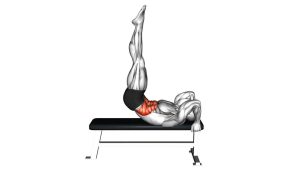
- Lie on a flat bench: Position your back on the bench with your hips supported and your legs extended.
- Hold the bench if needed: Grip the sides or the bench edge lightly to keep your upper body stable.
- Extend both legs: Keep your legs together and straight, with a small natural knee bend if needed.
- Brace your core: Pull your ribs down and tighten your abs before lowering your legs.
- Set your pelvis: Keep your lower back controlled against the bench instead of letting the hips tilt forward.
- Start with control: Lower your legs until they hover low, around 6 inches above the bench line or floor line, depending on your setup.
If the bench feels narrow or unstable, reduce the range and grip the bench more securely. Stability should come before hold time.
Execution (Step-by-Step)
- Begin lying on the bench: Keep your torso long, your core braced, and your hands lightly holding the bench.
- Lift and extend the legs: Bring both legs together and keep them straight in front of you.
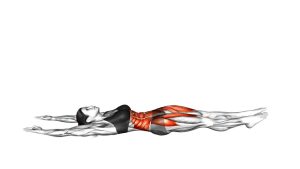
- Lower into the hold: Slowly lower your legs until they hover low without touching the floor or dropping below control.
- Hold the position: Keep the legs still, the abs tight, and the lower back stable against the bench.
- Breathe under tension: Use small controlled breaths instead of holding your breath for the full set.
- Finish safely: Raise the legs slightly or bend the knees before resting if your form starts to break.
Pro Tips & Common Mistakes
Pro Tips
- Grip lightly but firmly: Holding the bench can help you stabilize without turning the exercise into an arm pull.
- Keep the ribs down: This helps your abs stay engaged and reduces lower-back arching.
- Use a higher leg position first: A clean higher hold is better than a low hold with poor spinal control.
- Stop before failure: End the set when your back position changes, not when your legs finally drop.
- Add time gradually: Progress by 5-second increases instead of jumping to long holds too soon.
Common Mistakes
- Letting the lower back arch: This shifts stress away from the abs and may irritate the spine.
- Dropping the legs too low: Going lower only helps if your core can still control the position.
- Swinging the legs: Momentum reduces core tension and makes the hold less effective.
- Over-gripping the bench: Pulling too hard with the arms can hide weak core control.
- Holding the breath: Breath-holding increases strain and makes the set harder to sustain.
FAQ
What muscles does the Bench Lying 6-Inch Hold work?
It mainly targets the lower abdominals and rectus abdominis. In addition, the hip flexors and deep core stabilizers help hold the legs in position.
Is the bench version harder than the floor version?
It can be harder because the legs may hover freely off the bench, which increases the demand on the core. However, the difficulty depends on how low you hold the legs and how long you maintain the position.
Should my lower back stay against the bench?
Yes. Your lower back should stay controlled and stable. If it arches away from the bench, raise your legs, bend your knees, or stop the set.
How long should I hold the position?
Beginners can start with 10–15 seconds. Intermediate trainees can aim for 20–30 seconds, while advanced trainees may work toward 30–45 seconds with strict form.
Can I use ankle weights?
Yes, but only after you can hold the bodyweight version with excellent control. If ankle weights cause back arching or leg swinging, remove them immediately.
Why do I feel my hip flexors during this exercise?
Some hip-flexor involvement is normal because they help keep the legs lifted. However, if the hip flexors dominate completely, shorten the hold, raise the legs, or bend the knees slightly.
Recommended Equipment (Optional)
- Flat Weight Bench — provides the stable bench surface needed for this variation.
- Adjustable Weight Bench — useful if you want a versatile bench for core and strength training.
- Workout Timer / Interval Timer — helps track hold duration and rest periods accurately.
- Adjustable Ankle Weights — optional advanced resistance once bodyweight control is strong.
- Exercise Mat — useful beside the bench for setup comfort and safe transitions.
Tip: The bench is the main equipment for this exercise. Extra resistance should only be added after you can hold the position without back arching or leg swinging.