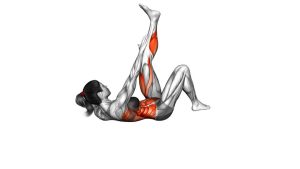
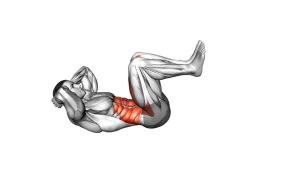
Lying Bent-Knee Raise and Extend: Lower Abs Form, Sets, Tips & FAQ
Learn the Lying Bent-Knee Raise and Extend for lower abs, hip control, and core stability. Includes setup, steps, mistakes, FAQs, and equipment.
Lying Bent-Knee Raise and Extend
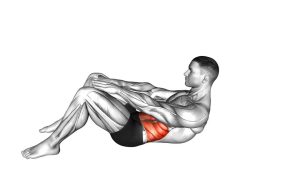
This exercise works best when the pelvis stays controlled and the lower back does not arch during the leg extension. As the knees move away from the body, the lever becomes longer, which increases the demand on the abdominal muscles. Keep the movement smooth, use a moderate range of motion, and stop each rep before the lower back loses contact with the floor.
Quick Overview
| Body Part | Core |
|---|---|
| Primary Muscle | Rectus abdominis, especially the lower abdominal region |
| Secondary Muscle | Hip flexors, transverse abdominis, obliques, and deep core stabilizers |
| Equipment | No equipment required; optional exercise mat for comfort |
| Difficulty | Beginner to intermediate, depending on leg-extension range |
Sets & Reps (By Goal)
- Core activation: 2–3 sets × 8–10 controlled reps with short pauses between phases.
- Lower-ab strength: 3–4 sets × 10–15 reps using a slow 2–3 second extension.
- Muscle endurance: 2–4 sets × 15–20 reps while keeping the lower back stable.
- Beginner control: 2–3 sets × 6–8 reps with a smaller leg-extension range.
Progression rule: First improve control and range. Then increase reps. Only extend the legs farther when your lower back stays stable and your hips do not swing.
Setup / Starting Position
- Lie on your back: Use a mat if needed and keep your head, shoulders, and torso relaxed.
- Place your arms beside you: Keep the palms down for light floor support without pushing aggressively.
- Bring knees toward the hips: Start with the knees bent and feet lifted off the floor.
- Brace the core: Gently pull the ribs down and press the lower back toward the floor.
- Set the pelvis: Avoid excessive arching before the movement begins.
A good starting position should feel stable. If your lower back arches before you begin, keep your knees closer to your chest and reduce the extension range.
Execution (Step-by-Step)
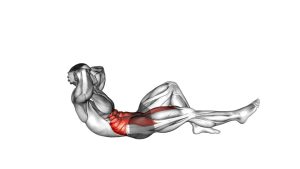
- Start in the bent-knee position: Keep both knees bent and lifted while your core stays braced.
- Raise the knees slightly: Curl the pelvis gently so the knees move closer toward the chest.
- Control the lowering phase: Lower the hips back down without dropping the legs quickly.
- Extend the legs forward: Lengthen the legs away from the body while keeping them slightly above the floor.
- Stop before your back arches: The extension should challenge the abs, not pull the spine into discomfort.
- Bend the knees back in: Return to the starting position with control.
- Repeat smoothly: Keep each rep slow, clean, and consistent.
Pro Tips & Common Mistakes
- Move slowly: Fast reps usually reduce abdominal control and increase hip-flexor dominance.
- Keep the ribs down: Avoid flaring the ribs as the legs extend forward.
- Do not swing the hips: The raise should come from controlled abdominal curling, not momentum.
- Use a shorter extension if needed: Extending too far is the most common reason the lower back arches.
- Breathe through each rep: Exhale as the legs extend or as the knees come in to improve core tension.
- Keep the neck relaxed: Do not lift or strain the head unless you are intentionally using an advanced variation.
- Maintain even leg movement: Both legs should extend and return together without twisting the pelvis.
FAQ
What muscles does the Lying Bent-Knee Raise and Extend work?
It mainly works the rectus abdominis, especially the lower-ab region, while also using the hip flexors, transverse abdominis, and obliques for control and stability.
Is this exercise good for lower abs?
Yes. The bent-knee raise trains abdominal curling, and the leg extension challenges the lower abs to resist spinal extension. This makes it useful for lower-core strength and control.
Why does my lower back arch during the extension?
Your legs may be extending too far, or your core may not be braced enough. Keep the knees slightly bent, shorten the range, and focus on pressing the lower back gently toward the floor.
Is the Lying Bent-Knee Raise and Extend beginner-friendly?
It can be beginner-friendly when done with a short range of motion. Beginners should extend the legs only as far as they can while keeping the lower back controlled.
How can I make this exercise harder?
Extend the legs farther, slow down the tempo, pause at the extended position, or use ankle weights only after you can perform clean bodyweight reps without lower-back arching.
Recommended Equipment (Optional)
- Exercise Mat — adds comfort for the spine, hips, and shoulders during floor-based ab training
- Adjustable Ankle Weights — useful for advanced progression once bodyweight control is consistent
- Mini Resistance Bands — helpful for hip-control drills and core warm-up variations
- Small Pilates Ball — can support core activation drills and controlled abdominal variations
- Foam Roller — useful for warm-ups, hip mobility, and recovery around core workouts
Tip: Equipment is optional. Master the bodyweight version first, then add resistance only when your lower back stays stable throughout the full movement.