Side Plank Lift Against Wall: Form, Benefits, Sets & Core Tips
Learn the Side Plank Lift Against Wall to strengthen obliques, hips, and core stability with safe form, sets, mistakes, FAQs, and equipment.
Side Plank Lift Against Wall
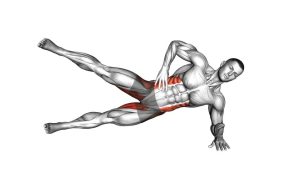
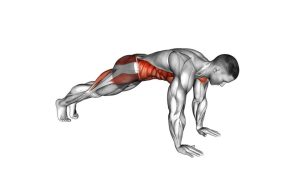
This exercise works best when the movement is slow, clean, and controlled. The wall helps reduce balance demands while allowing you to focus on the correct side-plank pattern. You should feel strong tension through the side of the waist, the lower obliques, the supporting shoulder, and the outer hip area. Avoid rushing the lift or dropping the hips with no control.
Quick Overview
| Body Part | Core |
|---|---|
| Primary Muscle | Obliques |
| Secondary Muscle | Transverse abdominis, gluteus medius, quadratus lumborum, deltoids, serratus anterior |
| Equipment | Wall and exercise mat |
| Difficulty | Beginner to Intermediate |
Sets & Reps (By Goal)
- Beginner control: 2–3 sets × 6–8 reps per side with slow tempo.
- Core endurance: 3 sets × 10–15 reps per side with steady breathing.
- Oblique strength: 3–4 sets × 8–12 reps per side with a 1–2 second pause at the top.
- Warm-up activation: 1–2 sets × 6–10 reps per side before core or lower-body training.
- Form correction: 2 sets × 5–8 slow reps per side, focusing on hip path and shoulder position.
Progression rule: First improve control and alignment. Then increase reps, add a longer top hold, or move farther from the wall. Do not progress if the shoulder collapses or the hips rotate.
Setup / Starting Position
- Lie on your side near a wall: Position your body sideways with your feet or lower body supported against the wall.
- Set the support arm: Place your forearm or hand under your shoulder. Keep the shoulder stacked and stable.
- Stack the body: Align the head, ribs, hips, knees, and ankles as much as possible.
- Brace the core: Gently tighten your abs as if preparing for a light push into your side.
- Start with hips low: Let the hips lower toward the floor without fully relaxing your trunk.
- Use the wall as feedback: Keep contact steady, but do not push aggressively into the wall.
Tip: A mat is useful because the support elbow, forearm, or hand can become uncomfortable on hard flooring.
Execution (Step-by-Step)
- Brace before moving: Tighten the core lightly and keep the ribs stacked over the pelvis.
- Lift the hips upward: Drive the bottom side of the waist away from the floor until the body forms a strong side-plank line.
- Hold the top briefly: Pause for 1–2 seconds while keeping the shoulder stable and the torso facing forward.
- Lower under control: Bring the hips down slowly without dropping, twisting, or relaxing completely.
- Repeat with rhythm: Continue lifting and lowering using a smooth, controlled tempo.
- Switch sides: Perform the same number of reps on the opposite side to keep core strength balanced.
Pro Tips & Common Mistakes
- Keep the shoulder stacked: Do not let the support shoulder shrug toward your ear or sink downward.
- Move from the side waist: Think about lifting the bottom ribs and hip away from the floor.
- Avoid twisting: Keep the chest, hips, and knees facing the same direction.
- Control the bottom position: Do not collapse fully between reps. Keep some tension in the obliques.
- Use the wall lightly: The wall should guide alignment, not replace core effort.
- Breathe steadily: Exhale as you lift the hips and inhale as you lower.
- Keep the neck neutral: Do not look down aggressively or crane the head forward.
- Reduce range if needed: Smaller clean reps are better than larger reps with poor alignment.
FAQ
What muscles does the Side Plank Lift Against Wall work?
It mainly works the obliques, especially the side of the waist. It also trains the transverse abdominis, gluteus medius, quadratus lumborum, shoulder stabilizers, and deep core muscles.
Is the wall side plank lift good for beginners?
Yes. The wall gives extra support and helps with body alignment, making this variation more beginner-friendly than many unsupported dynamic side plank exercises.
Where should I feel this exercise?
You should feel it mostly in the side of your core, especially the obliques. You may also feel the supporting shoulder and outside hip working to keep the body stable.
Why do my hips twist during the movement?
Hip twisting usually happens when the range is too large, the core is not braced, or the wall contact is uneven. Slow down, shorten the movement, and keep your ribs and pelvis stacked.
Can I do this exercise without a wall?
Yes. Once you can control the movement well, you can progress to a regular side plank hip lift on the floor. The wall version is useful for learning alignment and improving control first.
Recommended Equipment (Optional)
- Thick Exercise Mat — adds comfort for the elbow, forearm, hip, and knees during side plank work.
- Non-Slip Yoga Mat — helps keep your support arm and body stable while lifting the hips.
- Forearm Plank Pad — useful if your elbow or forearm feels uncomfortable on the floor.
- Mini Resistance Bands — helpful for adding glute and hip activation drills before core training.
- Core Sliders — useful for progressing into more advanced core stability and oblique exercises.
Tip: Start with comfort and stability first. Better support helps you focus on clean core control instead of elbow pressure or slipping.