Seated Legs Circle Over Bench: Core Form, Sets, Tips & FAQ
Learn Seated Legs Circle Over Bench to strengthen lower abs, hip flexors, and obliques with safe form, sets, tips, mistakes, and gear.
Seated Legs Circle Over Bench
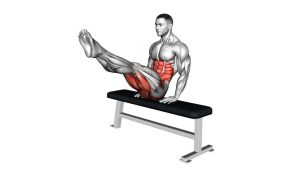
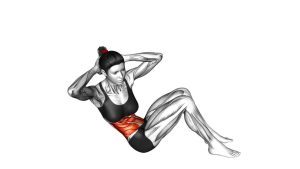
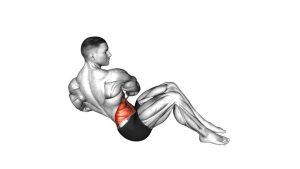
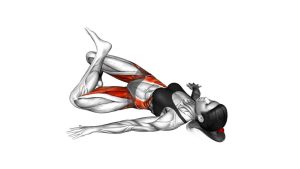
This exercise targets the lower abs, hip flexors, and obliques because the core must resist swinging, control rotation, and keep the legs elevated throughout the movement. It is especially useful for improving seated core control, lower-ab endurance, and rotational stability.
Quick Overview
| Body Part | Core |
|---|---|
| Primary Muscle | Lower rectus abdominis and hip flexors |
| Secondary Muscle | Obliques, deep core stabilizers, quadriceps, and spinal stabilizers |
| Equipment | Flat bench |
| Difficulty | Intermediate to advanced |
Sets & Reps (By Goal)
- Core control: 2–3 sets × 6–8 circles each direction
- Lower-ab endurance: 3–4 sets × 8–12 controlled circles
- Oblique stability: 3 sets × 6–10 circles clockwise and counterclockwise
- Advanced conditioning: 3–5 sets × 20–30 seconds continuous movement
Progression rule: First increase control and range. Then increase reps, time under tension, or circle size. Do not progress if the movement becomes fast, jerky, or lower-back dominant.
Setup / Starting Position
- Sit near the edge of a flat bench: Place your hips securely on the bench with enough room to lean back slightly.
- Place your hands behind your hips: Grip the bench firmly or press your palms into the surface for support.
- Lean back slightly: Keep your chest lifted and spine long without collapsing into the lower back.
- Extend both legs forward: Lift your feet off the floor and keep the legs together.
- Brace your core: Pull your ribs down slightly and tighten your abs before starting the circle.
Keep the movement controlled from the beginning. If your legs feel too heavy, bend the knees slightly to make the exercise easier.
Execution (Step-by-Step)
- Start with both legs lifted: Keep your feet together and your torso steady.
- Move the legs to one side: Begin the circle by sweeping both legs together toward the right or left.
- Draw a smooth arc: Continue moving the legs downward and across the front of your body.
- Control the opposite side: Guide the legs up toward the other side without swinging your torso.
- Complete the circle: Return to the starting position and repeat with the same smooth rhythm.
- Switch direction: Perform the same number of circles in the opposite direction for balanced core work.
Pro Tips & Common Mistakes
- Keep both legs together: This improves control and keeps the exercise symmetrical.
- Move slowly: Fast circles usually reduce ab tension and increase momentum.
- Brace before each rep: Tighten your core before the legs start moving.
- Avoid leaning too far back: Excessive lean can shift stress into the lower back.
- Do not kick the legs: The circle should be smooth, not forced.
- Use a smaller circle if needed: Smaller circles are better than large, uncontrolled reps.
- Breathe steadily: Exhale during the hardest part of the circle to maintain control.
FAQ
What muscles does the Seated Legs Circle Over Bench work?
It mainly works the lower abs and hip flexors. It also trains the obliques, deep core muscles, quadriceps, and spinal stabilizers because the body must resist rotation and swinging.
Is this exercise good for lower abs?
Yes. Because the legs stay elevated and move in a controlled circular path, the lower abs must work hard to stabilize the pelvis and prevent the lower back from taking over.
Should beginners do this exercise?
Beginners can try a modified version with bent knees, smaller circles, or shorter sets. If you cannot keep your back controlled, start with seated knee raises or lying leg raises first.
Why do I feel this in my hip flexors?
The hip flexors help hold the legs up, so some hip-flexor work is normal. However, your abs should also stay active. If your hips dominate too much, bend your knees and reduce the range.
How can I make Seated Legs Circle Over Bench harder?
Make the circles larger, slow the tempo, keep the knees straighter, increase time under tension, or pause briefly at each side of the circle.
Recommended Equipment
- Flat Weight Bench — provides stable support for seated leg circle variations
- Adjustable Workout Bench — useful for core, strength, and incline/decline training setups
- Exercise Mat — helpful for warm-ups, regressions, and floor-based core drills
- Ankle Weights — optional progression for advanced users with strong control
- Core Sliders — useful for related core stability and lower-ab exercises
Tip: Use equipment only if it improves control. For this exercise, clean technique is more important than added resistance.