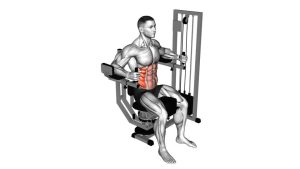
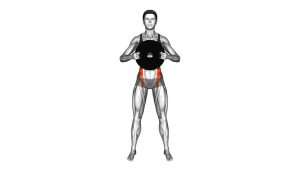
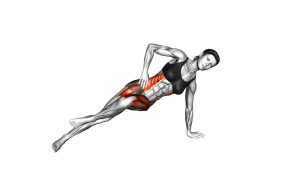
Beginner Russian Twist: Proper Form, Sets, Muscles Worked & FAQ
Learn how to do the beginner Russian Twist with proper form to target the obliques and build rotational core strength. Includes setup, execution steps, sets by goal, mistakes, FAQ, and recommended equipment.
Beginner Russian Twist
This exercise works best when the torso stays braced and the motion remains controlled. You should feel the sides of your waist and midsection working to rotate and stabilize your trunk. The goal is not speed. The goal is to keep tension on the core while rotating from one side to the other without collapsing your chest or using momentum.
Quick Overview
| Body Part | Core / Obliques |
|---|---|
| Primary Muscle | Obliques |
| Secondary Muscle | Rectus abdominis, transverse abdominis, hip flexors |
| Equipment | None |
| Difficulty | Beginner |
Sets & Reps (By Goal)
- Core activation: 2–3 sets × 10–12 reps per side with slow control
- General core endurance: 2–4 sets × 12–20 reps per side with 30–45 sec rest
- Beginner conditioning circuit: 2–3 rounds × 8–15 reps per side
- Technique practice: 1–2 sets × 6–10 reps per side using a shorter range of motion
Progression rule: Increase control and total reps first. After that, progress by leaning back slightly more, slowing the tempo, or adding light resistance.
Setup / Starting Position
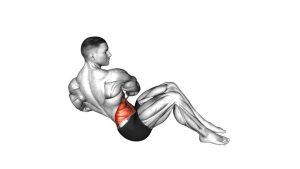
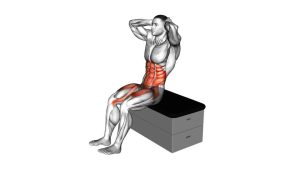
- Sit on the floor: Bend your knees and place your feet flat on the ground.
- Lean back slightly: Bring your torso to a mild reclined position while keeping your chest lifted.
- Brace your core: Tighten your abs as if preparing to absorb a light punch.
- Bring the hands together: Hold your hands in front of your torso or clasp them together.
- Keep the spine long: Avoid rounding your lower back or shrugging your shoulders.
Tip: Keep your feet down if you are still learning the pattern. That makes the movement more stable and easier to control.
Execution (Step-by-Step)
- Start centered: Brace the abs and keep your chest up.
- Rotate to one side: Turn your torso slowly to the right without just moving your hands alone.
- Return through center: Come back under control while keeping tension in the core.
- Rotate to the other side: Turn the torso to the left with the same smooth tempo.
- Repeat evenly: Continue alternating sides while maintaining posture and steady breathing.
Pro Tips & Common Mistakes
- Rotate from the torso: Do not fake the rep by moving only the arms.
- Keep the chest lifted: Slouching makes it harder to keep tension where you want it.
- Use a controlled tempo: Fast twisting usually turns the exercise into momentum instead of core work.
- Keep the feet planted: This beginner variation improves balance and lets you focus on technique.
- Stay in a manageable range: Turn only as far as you can without losing posture.
- Do not yank the lower back: The twist should feel muscular, not like spinal cranking.
FAQ
Where should I feel the beginner Russian Twist?
You should mainly feel it in the obliques along the sides of your waist, with additional tension in the front of the core. Your hip flexors may assist slightly, but they should not dominate the exercise.
Should my feet stay on the floor?
Yes. For beginners, keeping the feet down is usually the best option because it improves balance and helps you learn proper torso rotation first.
Is this exercise good for building obliques?
Yes. The Russian Twist can help strengthen the obliques, especially when performed with controlled reps and consistent tension instead of speed.
How can I make Russian Twists harder later?
You can hold a light medicine ball or plate, slow the tempo, increase the lean-back angle, or lift your feet once your technique becomes solid.
What is the most common mistake?
The most common mistake is swinging the hands side to side while the torso barely rotates. Keep the movement driven by the core.
Recommended Equipment (Optional)
- Medicine Ball — a simple way to add resistance once bodyweight Russian twists feel easy
- Exercise Mat — improves comfort for seated floor work and helps reduce pressure on the hips and tailbone
- Resistance Bands Set — useful for adding more core and full-body accessory work to your training plan
- Ab Mat — adds support and comfort during core sessions, especially for home workouts
- Weighted Vest — an advanced progression option for athletes who want more total trunk challenge
Tip: Start with bodyweight first. Add load only when you can keep your reps smooth, controlled, and free from lower-back strain.