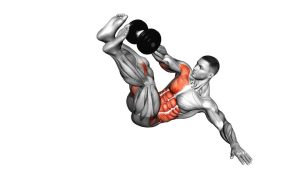
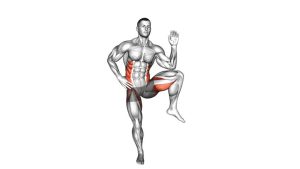
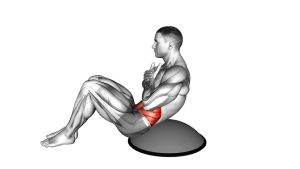
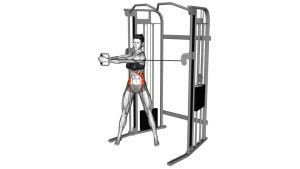
Lever Ab Coaster Oblique Crunch: Form, Sets, Tips & FAQ
Learn the Lever Ab Coaster Oblique Crunch for stronger obliques, better core control, and safer rotational ab training with setup, form tips, sets, and equipment.
Lever Ab Coaster Oblique Crunch
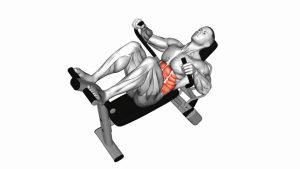
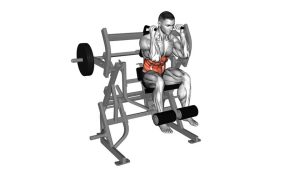
This exercise is useful for lifters who want a more controlled way to train the obliques compared with free-hanging knee raises or twisting floor crunches. The machine supports the upper body and guides the lower body, which makes it easier to focus on controlled abdominal contraction. For best results, use a smooth tempo, keep the shoulders relaxed, and avoid turning the movement into a fast hip swing.
Quick Overview
| Body Part | Core |
|---|---|
| Primary Muscle | Obliques |
| Secondary Muscle | Rectus abdominis, lower abs, hip flexors, deep core stabilizers |
| Equipment | Lever ab coaster machine |
| Difficulty | Beginner to Intermediate |
Sets & Reps (By Goal)
- Core activation: 2–3 sets × 8–10 reps per side with a slow, controlled tempo.
- Oblique strength: 3–4 sets × 10–12 reps per side with a brief squeeze at the top.
- Muscle endurance: 3 sets × 12–20 reps per side using moderate speed and clean control.
- Beginner practice: 2 sets × 6–8 reps per side while learning the machine path.
Progression rule: Add reps before increasing resistance or speed. The exercise becomes more effective when each rep is controlled, rotated cleanly, and finished with a strong oblique squeeze.
Setup / Starting Position
- Adjust the machine: Set the knee carriage and handles so your body feels stable and your elbows can rest comfortably on the pads.
- Place your knees on the platform: Keep both knees supported and centered before starting the first rep.
- Secure your upper body: Hold the handles lightly and rest your forearms or elbows on the pads without pulling aggressively.
- Brace your core: Pull the ribs slightly down and prepare the abs before moving the knees.
- Choose your side: Rotate the knee carriage or hips toward the working side if the machine allows side-angle positioning.
- Start from the bottom: Let the knees begin low on the track while keeping tension through the midsection.
Your arms should help stabilize your position, but they should not dominate the movement. The main action should come from the abs pulling the knees upward and inward.
Execution (Step-by-Step)
- Brace first: Tighten your abs gently before the carriage starts moving.
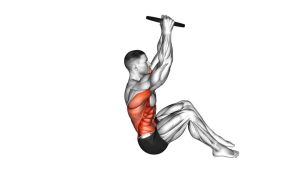
- Drive the knees upward: Pull your knees along the curved track using your core, not momentum.
- Add the oblique angle: Guide the knees toward one side so the movement becomes a side-focused crunch.
- Crunch at the top: Bring the hips slightly toward the ribs and squeeze the working oblique.
- Pause briefly: Hold the top position for a short moment without bouncing.
- Lower with control: Return the knees to the starting position slowly while keeping abdominal tension.
- Repeat on the same side: Complete all reps on one side, then switch sides, or alternate sides if that fits your workout plan.
Pro Tips & Common Mistakes
- Use the obliques to lift: Think about pulling your side ribs toward your hip instead of simply sliding the knees upward.
- Avoid swinging: Momentum reduces core tension and makes the exercise less effective.
- Keep the upper body stable: Your chest, shoulders, and arms should stay quiet while the knees travel.
- Do not over-twist: A small, controlled rotation is enough to bias the obliques.
- Control the lowering phase: The eccentric portion builds strength and teaches better core control.
- Keep breathing: Exhale as you crunch upward and inhale as you lower back down.
- Match both sides: Use the same range, tempo, and number of reps on the left and right side.
- Do not pull hard with the arms: The handles are for support, not for yanking your body into the rep.
FAQ
What muscles does the Lever Ab Coaster Oblique Crunch work?
The main target is the obliques, especially when the knees travel upward at an angle. The rectus abdominis, lower abs, hip flexors, and deep core muscles also assist during the movement.
Is the Lever Ab Coaster Oblique Crunch good for beginners?
Yes. The machine gives support and a guided path, which can make the exercise easier to control than hanging rotational knee raises. Beginners should start with a smaller range of motion and slower reps.
Should I alternate sides or finish one side first?
Both methods work. Finishing one side first can create a stronger oblique burn and better focus. Alternating sides can feel more balanced and may be easier for general core circuits.
Why do I feel this exercise in my hip flexors?
Some hip flexor involvement is normal because the knees are moving upward. To increase abdominal focus, slightly curl the pelvis at the top, avoid rushing, and think about crunching the ribs toward the hips.
Can this exercise reduce love handles?
It can strengthen and shape the oblique muscles, but fat loss requires a consistent calorie deficit, strength training, and overall activity. This exercise is best used as part of a complete core and fitness program.
How often should I train this exercise?
Most lifters can train it 2–3 times per week. Leave recovery time if your obliques are sore or if your form becomes sloppy during later sets.
Recommended Equipment
- Ab Coaster Machine — the main machine used for guided knee-drive and oblique crunch training.
- Gym Knee Pads — useful for extra knee comfort during machine-based kneeling core exercises.
- Weightlifting Gloves — help improve grip comfort when holding the machine handles.
- Ab Wheel Roller — a strong companion tool for anti-extension core strength and abdominal control.
- Resistance Bands Set — useful for adding rotational core drills such as band wood chops and Pallof presses.
Tip: Choose equipment that supports clean movement. Better control, proper setup, and consistent reps matter more than using heavy resistance or moving quickly.