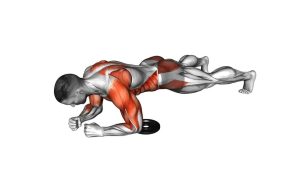
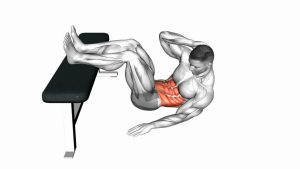
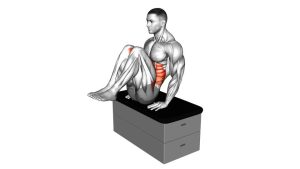
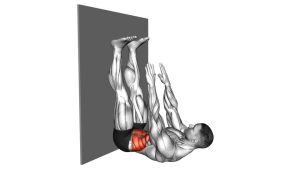
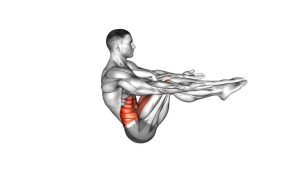
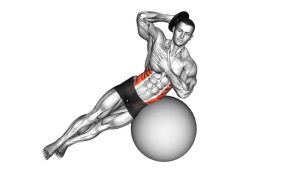
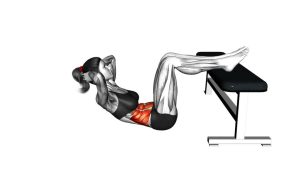
Body Slide Exercise: Core Form, Oblique Control, Sets, Tips & FAQ
Learn the Body Slide exercise to train obliques, core control, and side-body stability with safe form, sets, tips, mistakes, FAQs, and equipment.
Body Slide
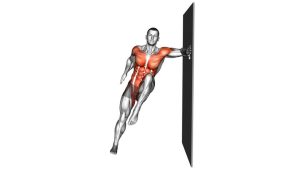
This exercise works best when the body stays tall and the movement comes from a controlled lateral shift through the trunk. In the uploaded video, the arms remain extended at shoulder height while the torso slides side to side with a small, steady range. Therefore, the goal is not to fold aggressively at the waist. Instead, focus on keeping the ribs controlled, the shoulders level, and the obliques active throughout the motion.
Quick Overview
| Body Part | Obliques |
|---|---|
| Primary Muscle | Obliques |
| Secondary Muscle | Rectus abdominis, transverse abdominis, hip stabilizers, lower back stabilizers |
| Equipment | No equipment |
| Difficulty | Beginner |
Sets & Reps (By Goal)
- Beginner core control: 2–3 sets × 8–12 reps per side with a slow tempo.
- Oblique activation: 3 sets × 12–15 reps per side with light continuous tension.
- Warm-up or mobility flow: 1–2 sets × 10 reps per side before core or full-body training.
- Endurance focus: 2–4 sets × 30–45 seconds while keeping the movement smooth.
Progression rule: First improve control and range consistency. Then, gradually add more reps or slower pauses on each side.
Setup / Starting Position
- Stand tall: Place your feet about shoulder-width apart and keep your weight balanced through both feet.
- Extend your arms: Raise both arms out to the sides at shoulder height, as shown in the video.
- Set your posture: Keep your chest open, ribs controlled, and shoulders relaxed.
- Brace lightly: Tighten your core enough to support the spine without holding your breath.
- Look forward: Keep your head neutral and avoid twisting the neck during the slide.
Keep the start position simple. A stable stance allows the torso to slide cleanly without turning the movement into a squat, twist, or heavy side bend.
Execution (Step-by-Step)
- Begin from center: Stand tall with both arms stretched out horizontally.
- Slide to one side: Shift the upper body gently to one side while keeping the arms long and the torso controlled.
- Keep the motion small: Move only as far as you can without collapsing through the waist or hiking the shoulder.
- Feel the obliques engage: The side of the waist should help control the slide and return.
- Return to center: Bring the torso back to the starting position slowly.
- Repeat to the other side: Slide in the opposite direction with the same smooth tempo and posture.
Pro Tips & Common Mistakes
- Keep the arms long: Extended arms help you notice if one shoulder drops or rises too much.
- Move through the waist: Avoid shifting only the hips while the torso stays stiff.
- Do not rush: A slow tempo keeps the obliques engaged and reduces momentum.
- Avoid excessive leaning: More range is not better if the spine collapses or the hips lose position.
- Keep your feet grounded: Stable feet make the slide cleaner and safer.
- Breathe steadily: Exhale gently as you slide, then inhale as you return to center.
- Stay symmetrical: Use the same range on both sides to avoid favoring one direction.
FAQ
What muscles does the Body Slide work?
The Body Slide mainly works the obliques. It also involves the deep core, rectus abdominis, hip stabilizers, and lower back stabilizers because the body must stay upright while moving side to side.
Is the Body Slide good for beginners?
Yes. The Body Slide is beginner-friendly because it uses body weight only and allows a small, controlled range of motion. However, beginners should move slowly and avoid forcing the side bend.
Should I feel this exercise in my lower back?
You may feel light stabilizing work around the trunk, but the main effort should come from the sides of the waist. If your lower back takes over, reduce the range and brace your core more gently.
Can I do Body Slides every day?
You can use Body Slides often as a light core-control drill. Still, if your waist or lower back feels sore, reduce the volume and give your body time to recover.
Is the Body Slide the same as a side bend?
It is similar, but it is usually lighter and more controlled. A side bend often focuses on deeper bending, while the Body Slide emphasizes smooth lateral control and posture.
Recommended Equipment (Optional)
- Exercise Mat — useful for warm-ups, core work, and comfortable floor-based training after this drill.
- Resistance Bands Set — helpful for adding standing core and oblique variations as you progress.
- Adjustable Ankle Weights — optional for lower-body standing core drills, but not required for the basic Body Slide.
- Balance Pad — adds stability challenge for advanced standing core-control work.
- Foam Roller — useful for recovery, thoracic mobility, and preparing the trunk before core training.
Tip: The Body Slide does not require equipment. Use optional tools only when your form remains smooth, controlled, and pain-free.