Dumbbell High Curl: Proper Form, Sets, Muscles Worked & FAQ
Learn how to do the Dumbbell High Curl with proper form to target the biceps, especially the short head. Includes setup, step-by-step execution, sets by goal, common mistakes, FAQs, and recommended equipment.
Dumbbell High Curl
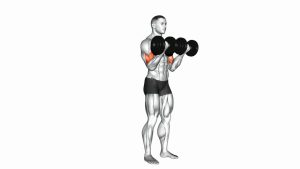
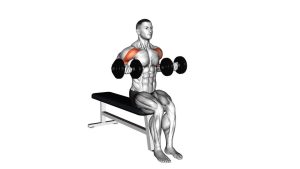
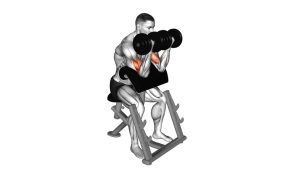
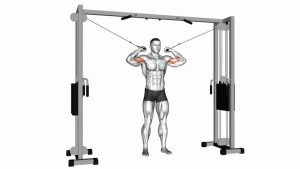
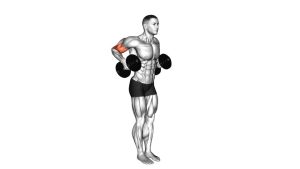
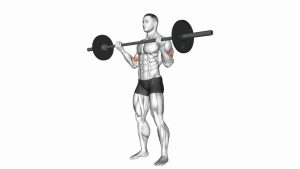
This exercise works best with a strict tempo and a moderate load. Because the arms stay elevated, the Dumbbell High Curl creates more tension than a standard standing curl and can quickly expose weak form. You should feel the biceps working hard without swinging the torso, shrugging the shoulders, or letting the elbows drop.
Quick Overview
| Body Part | Biceps |
|---|---|
| Primary Muscle | Biceps brachii (especially the short head) |
| Secondary Muscle | Brachialis, brachioradialis, front deltoids, rotator cuff stabilizers |
| Equipment | Pair of dumbbells |
| Difficulty | Intermediate |
Sets & Reps (By Goal)
- Muscle growth: 3–4 sets × 8–12 reps with controlled form and 60–90 sec rest
- Muscular endurance: 2–3 sets × 12–15 reps using light-to-moderate dumbbells
- Arm-finisher / pump work: 2–3 sets × 10–15 reps with slower lowering phases
- Technique practice: 2–3 sets × 8–10 reps using lighter weights to master elbow position
Progression tip: Increase reps first, then add small amounts of weight once you can keep the elbows high and avoid shoulder shrugging throughout the entire set.
Setup / Starting Position
- Stand tall: Place your feet about hip-width apart and brace your core lightly.
- Hold the dumbbells: Use a supinated grip so your palms face forward or slightly upward.
- Raise the upper arms: Lift your elbows out to the sides until your upper arms are about shoulder height.
- Keep posture strong: Chest up, shoulders down, neck relaxed, and wrists neutral.
- Start with a slight bend: Let the elbows remain just short of full lockout before beginning the curl.
Tip: Start lighter than expected. The elevated elbow position makes this variation much harder than a basic dumbbell curl.
Execution (Step-by-Step)
- Fix the elbows high: Keep your upper arms lifted out to the sides and avoid letting them drift downward.
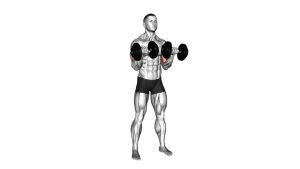
- Curl the dumbbells inward: Bend at the elbows and bring the weights toward your head or upper shoulder line.
- Squeeze at the top: Pause briefly when the biceps are fully contracted without collapsing the wrists.
- Lower slowly: Extend the elbows under control until you return to the starting position.
- Repeat smoothly: Maintain a steady rhythm and keep tension on the biceps from rep to rep.
Pro Tips & Common Mistakes
- Keep the elbows level: The exercise loses its purpose when the elbows drift down into a regular curl path.
- Use strict control: Avoid using momentum or body English to move the dumbbells.
- Choose modest weights: This exercise is about positioning and contraction, not maximum load.
- Don’t shrug the traps: Keep the shoulders away from the ears to protect the neck and maintain cleaner mechanics.
- Use a full but safe range: Curl as high as you can without wrist collapse or shoulder irritation.
- Slow eccentrics work well: Lowering for 2–3 seconds increases tension and improves technique.
FAQ
What muscles does the Dumbbell High Curl work most?
It mainly targets the biceps brachii, especially the short head. The front deltoids and shoulder stabilizers also work to hold the upper arms in position.
Is the Dumbbell High Curl better than a regular dumbbell curl?
It is not necessarily better, but it is different. The high-elbow position changes the challenge and can help emphasize the biceps in a unique way, especially for variety and peak contraction work.
Why do my shoulders get tired during this exercise?
Because your upper arms stay lifted throughout the set, the shoulders work isometrically to stabilize the position. This is normal, but excessive fatigue may mean the weight is too heavy.
Should I go heavy on Dumbbell High Curls?
Usually no. This exercise responds best to light-to-moderate loads with strict control. Going too heavy often causes elbow drop, swinging, and shoulder compensation.
Can beginners do this exercise?
Beginners can do it, but most people should first learn standard dumbbell curls and shoulder control. Start very light and focus on technique before increasing volume or resistance.
Recommended Equipment (Optional)
- Adjustable Dumbbells — ideal for progressing this exercise without needing multiple fixed-weight pairs
- Rubber Hex Dumbbells — a stable and durable option for strict standing arm work
- Weightlifting Gloves — can improve grip comfort during higher-rep biceps training
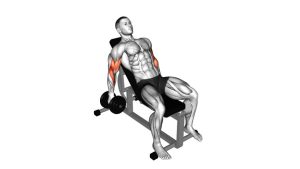
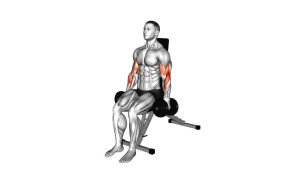
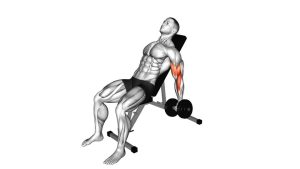
- Adjustable Weight Bench — useful if you want to pair high curls with incline or seated dumbbell curl variations
- Dumbbell Rack — keeps your training space organized if you use multiple dumbbell sets
Tip: For the Dumbbell High Curl, the most useful purchase is usually a pair of adjustable dumbbells or several lighter dumbbell options so you can keep your form strict.