Dumbbell Seated Side Front In-Out: Core Form, Sets, Tips & FAQ
Learn the Dumbbell Seated Side Front In-Out for abs, hip flexors, and core control with setup, form cues, sets, mistakes, FAQs, and gear.
Dumbbell Seated Side Front In-Out
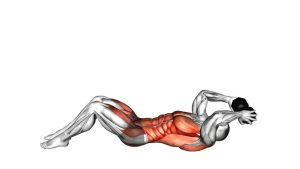
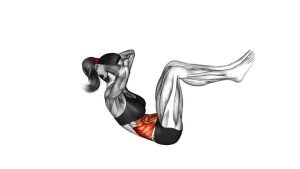
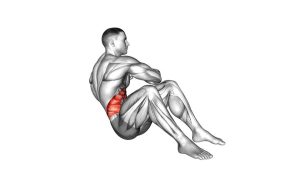
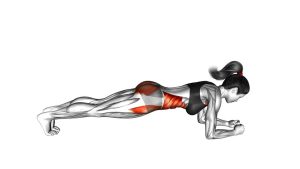
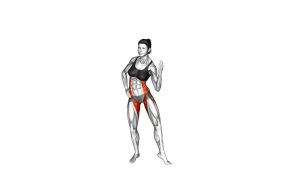
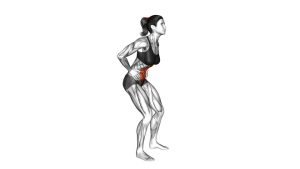
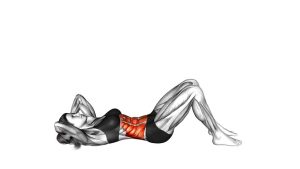
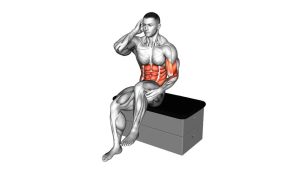
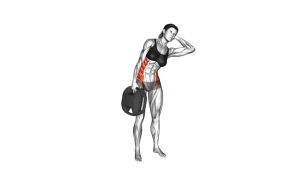
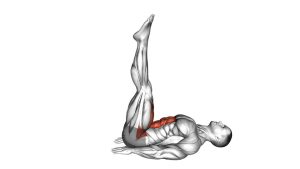
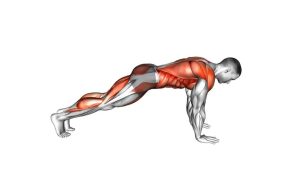
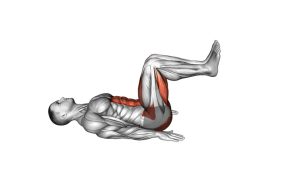
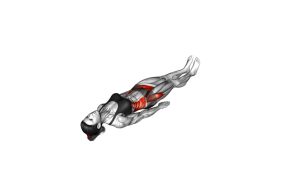
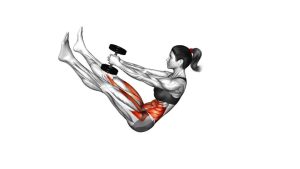
This movement is best performed with control instead of speed. First, sit on the floor with the dumbbells positioned near your hips or slightly behind you for hand support. Then, lean back slightly, lift the legs, and move them from a tucked position into a side/front extension before bringing them back in. As a result, the exercise trains the abs, hip flexors, and balance while keeping the movement compact and precise.
Quick Overview
| Body Part | Core |
|---|---|
| Primary Muscle | Rectus abdominis and hip flexors |
| Secondary Muscle | Obliques, transverse abdominis, quadriceps, shoulders, and triceps for support |
| Equipment | Dumbbells used as hand supports |
| Difficulty | Beginner to intermediate, depending on leg height, speed, and range of motion |
Sets & Reps (By Goal)
- Core control: 2–3 sets × 8–12 reps, using a slow and controlled tempo.
- Ab endurance: 3–4 sets × 12–20 reps, resting 45–75 seconds between sets.
- Beginner practice: 2–3 sets × 6–10 reps, keeping the feet closer to the floor.
- Conditioning finisher: 3–5 rounds × 20–30 seconds, using clean reps instead of rushing.
Progression rule: Increase reps first. Then, increase the range of motion or slow the tempo. However, do not progress if your lower back rounds heavily, your legs drop without control, or your shoulders shrug.
Setup / Starting Position
- Sit on the floor: Position your body upright with your legs in front of you.
- Place the dumbbells: Set one dumbbell on each side near your hips or slightly behind your body.
- Grip for support: Hold the dumbbells firmly so your hands can help stabilize your torso.
- Lean back slightly: Keep your chest open while creating a small reclined angle.
- Lift the legs: Bring your feet slightly off the floor if you can control the position.
- Brace your core: Tighten the midsection gently before starting the in-out movement.
If the full version feels too hard, keep your heels lightly touching the floor between reps until your core control improves.
Execution (Step-by-Step)
- Start tucked: Begin with your knees bent and pulled slightly toward your body.
- Extend out: Move your legs forward and slightly toward one side while keeping your torso stable.
- Control the front position: Keep the legs long enough to challenge the abs, but do not let the lower back collapse.
- Pull back in: Bring the knees back toward the body with a smooth core contraction.
- Shift the pathway: Continue the pattern by moving through the side/front in-out path shown in the exercise.
- Keep the hands grounded: Use the dumbbells for support, not for pulling your body aggressively.
- Repeat with rhythm: Continue for the target reps while keeping the movement controlled and balanced.
Pro Tips & Common Mistakes
- Keep the movement compact: A smaller range is better if it keeps your abs engaged and your back controlled.
- Do not yank with your arms: The dumbbells are supports, but the core should control the leg motion.
- Avoid collapsing the chest: Stay slightly reclined while keeping the upper body long and stable.
- Control the out phase: Do not let gravity drop your legs quickly as they extend.
- Keep the knees soft: A slight bend is acceptable and often helps reduce hip flexor strain.
- Move smoothly: Jerky reps usually mean the range is too large or the pace is too fast.
- Protect the lower back: If you feel pressure in the lumbar area, bring your knees in sooner.
- Breathe steadily: Exhale as you pull the knees in, then inhale lightly as the legs extend.
FAQ
What muscles does the Dumbbell Seated Side Front In-Out work?
It mainly works the abs and hip flexors. Additionally, the obliques and deep core help control the side/front leg pathway, while the shoulders and triceps assist with body support on the dumbbells.
Are the dumbbells used as weights in this exercise?
No. In this version, the dumbbells are used as support handles for the hands. Therefore, they help stabilize the upper body while the legs perform the in-out movement.
Is this exercise good for beginners?
It can be beginner-friendly when the range is small and the feet stay close to the floor. However, it becomes more challenging when the legs extend farther, move higher, or stay off the floor for the full set.
Why do I feel my hip flexors during this movement?
The hip flexors help lift and move the legs, so some activation is normal. However, your abs should still control the torso and pelvis. If the hips dominate too much, shorten the leg extension and slow the reps.
How can I make the Dumbbell Seated Side Front In-Out harder?
You can increase the challenge by extending the legs farther, keeping the feet off the floor longer, slowing the tempo, or increasing total reps. Nevertheless, keep the lower back stable before adding difficulty.
Recommended Equipment (Optional)
- Hex Dumbbells — stable hand supports that are less likely to roll during seated core drills
- Non-Slip Exercise Mat — adds comfort and grip while sitting on the floor
- Core Sliders — useful for related core progressions and controlled leg movement drills
- Adjustable Dumbbells — practical for home workouts and can also serve as support handles when stable
- Workout Interval Timer — helpful for timed ab circuits, conditioning rounds, and core finishers
Tip: Choose dumbbells with a stable shape and secure grip. Round dumbbells may roll, so hex dumbbells are usually better for support-based floor exercises.