Weighted Hollow Body Hover: Core Form, Benefits, Sets, Tips & FAQ
Learn the Weighted Hollow Body Hover to build stronger abs, anti-extension control, and core endurance with proper form, sets, tips, FAQs, and gear.
Weighted Hollow Body Hover
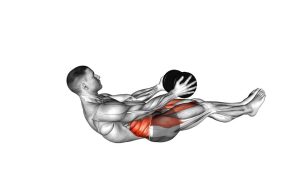
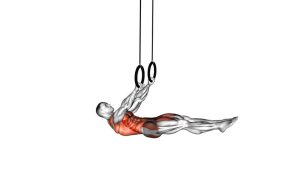
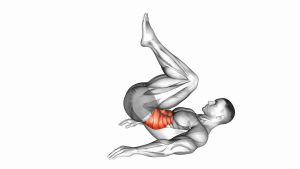
This exercise is best used when you already understand the basic hollow body position. Because the added weight increases the lever challenge, your core must work harder to prevent the lower back from arching. Therefore, clean positioning matters more than holding the pose for a long time.
During each hold, the goal is to keep your shoulders slightly lifted, arms extended, legs straight, and lower back gently pressed toward the floor. Meanwhile, your breathing should stay controlled so the abs remain active without unnecessary neck or hip flexor tension.
Quick Overview
| Body Part | Core |
|---|---|
| Primary Muscle | Rectus abdominis and transverse abdominis |
| Secondary Muscle | Obliques, hip flexors, serratus anterior, deep spinal stabilizers |
| Equipment | Medicine ball, weight plate, dumbbell, or no weight for regression |
| Difficulty | Intermediate to advanced |
Sets & Reps (By Goal)
- Core strength: 3–4 sets × 10–20 seconds with a challenging but controlled load.
- Core endurance: 2–4 sets × 20–40 seconds using a lighter weight or bodyweight only.
- Skill practice: 2–3 sets × 8–15 seconds while focusing on perfect hollow body alignment.
- Warm-up activation: 1–2 sets × 10–15 seconds with no weight or a very light object.
- Advanced progression: 3–5 sets × 15–30 seconds with a longer lever and strict breathing control.
Progression rule: First increase control and hold quality. After that, add time slowly. Finally, increase load only when your lower back stays stable for the full set.
Setup / Starting Position
- Lie on your back: Start flat on the floor with your legs extended and your arms reaching overhead.
- Choose the load: Hold a medicine ball, weight plate, or light dumbbell with both hands. For beginners, start with no weight.
- Brace your core: Pull your ribs down and gently press your lower back toward the floor.
- Lift the shoulders: Raise your head and shoulder blades slightly without pulling on the neck.
- Hover the legs: Extend both legs and lift them just above the floor while keeping your knees straight or slightly softened.
- Set your hollow shape: Create a curved “banana” position from shoulders to feet while keeping tension through the abs.
A lower leg position makes the exercise harder. However, if your back arches, raise the legs higher or bend the knees slightly.
Execution (Step-by-Step)
- Build full-body tension: Squeeze your abs, tighten your glutes lightly, and keep your ribs pulled down.
- Extend the arms: Hold the weight overhead or slightly behind your head without letting your shoulders relax completely.
- Lift into the hover: Raise your shoulders and legs until your body forms a controlled hollow position.
- Hold still: Maintain the position without rocking, swinging, or changing the height of your legs.
- Breathe carefully: Take small, controlled breaths while keeping your core braced.
- Finish with control: Lower your shoulders, arms, and legs slowly instead of dropping out of the hold.
Pro Tips & Common Mistakes
Pro Tips
- Start lighter than expected: A small weight can feel very challenging because the arms create a long lever.
- Keep the ribs down: This cue helps prevent the back from arching and keeps tension in the abs.
- Use a quiet hold: The best reps look still, controlled, and stable.
- Control the breathing: Short, calm breaths help you maintain tension without bracing too aggressively.
- Adjust leg height: Raise the legs if needed, then lower them gradually as your core gets stronger.
Common Mistakes
- Arching the lower back: This reduces core tension and increases stress on the lumbar spine.
- Using too much weight: Heavy loading often causes the ribs to flare and the shoulders to lose position.
- Holding the breath: Breath-holding can make the exercise feel stronger at first, but it often reduces control.
- Cranking the neck: The head should follow the shoulders naturally without excessive chin jutting.
- Letting the legs drift: Uncontrolled leg movement usually means fatigue has exceeded your current strength level.
FAQ
What is the Weighted Hollow Body Hover good for?
The Weighted Hollow Body Hover is excellent for building abdominal endurance, anti-extension strength, and total-body bracing. Additionally, it helps improve control for gymnastics, calisthenics, strength training, and athletic core work.
Is this exercise beginner-friendly?
Not always. Although the basic hollow body position can be beginner-friendly, the weighted version is more demanding. Beginners should first master a dead bug, bent-knee hollow hold, or bodyweight hollow hold before adding load.
Where should I feel the Weighted Hollow Body Hover?
You should mainly feel your abs working across the front of your core. You may also feel your hip flexors and shoulders assisting. However, you should not feel pain or compression in your lower back.
How heavy should the weight be?
Use a light weight at first. A medicine ball or small plate is usually enough because the overhead position increases the difficulty. If your ribs flare or your back arches, reduce the weight immediately.
Can I do this exercise every day?
You can practice light hollow body variations often, but weighted holds usually need more recovery. For most people, 2–4 times per week works better than daily heavy practice.
What is the best regression?
The best regression is a bodyweight hollow hold with bent knees. From there, you can extend one leg at a time, then both legs, and finally add a light weight when your form stays stable.
Recommended Equipment
- Medicine Ball — ideal for adding controlled overhead load during hollow body holds.
- Weight Plate — useful for progressive loading when you want a compact grip option.
- Thick Exercise Mat — improves comfort and support while holding the hollow body position.
- Core Sliders — helpful for related core progressions such as body saws and plank variations.
- Adjustable Dumbbell — allows small loading changes for gradual core strength progression.
Tip: Choose equipment that lets you control the hold without losing spinal position. In this exercise, stability is more important than heavy loading.